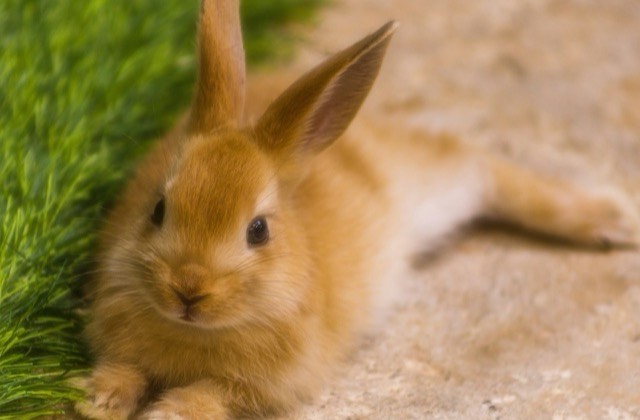
Rabbit grinding its teeth: a contented purr or a pain signal?
Published by Planète Pets · managing editor: Clément Lacaille · how our guides are written
Teeth grinding in rabbits actually covers two opposite behaviours that are essential to tell apart. A light, soft, rhythmic clicking, often paired with a relaxed body and half-closed eyes, is a wellbeing "purr", comparable to a cat being stroked. A loud, grating grind, almost audible from across the room, combined with stillness or a hunched posture, signals pain that should never be ignored. A survey by Benato, Murrell and Rooney, published in 2020 in the Journal of Small Animal Practice, found that even veterinary professionals' confidence in recognising pain in rabbits varies considerably, which partly explains why this signal goes unnoticed so often at home (see the study). Everyday health pointers are gathered in our rabbit care and grooming section.
Contents · 4 sections
How can the two grinds be told apart?
The wellbeing purr typically happens during petting or a calm moment: the sound is soft and regular, and the rabbit keeps a relaxed posture. A pain-driven grind, on the other hand, often shows up with no contact at all, alongside a hunched back, visible teeth and a refusal to move or eat. The difference lies as much in the sound as in the context and the animal's overall posture.
What causes a painful grind?
The most common causes involve the digestive or dental system: gastrointestinal stasis, dental malocclusion with spurs on the molars, or abdominal pain from another source. The grinding often shows up alongside other subtle signs worth knowing, like those covered in our article on the Rabbit Grimace Scale, a complementary way of reading pain from the face.
What to do about an unusual grind?
A loud grind that lasts more than a few minutes, especially combined with loss of appetite or no droppings, is a veterinary emergency: these signs often overlap with rabbit GI stasis warning signs, a condition that can escalate very quickly without treatment. While waiting for the appointment, avoid handling the rabbit unnecessarily and note the time of its last meal and last droppings to help the vet judge urgency over the phone.
- Soft, rhythmic grinding: contentment, often during petting.
- Loud, prolonged grinding: pain, especially with a hunched posture or stillness.
- Common causes: GI stasis, dental pain, abdominal pain.
- Veterinary emergency if grinding persists alongside loss of appetite or no droppings.
Learning to tell the two sounds apart takes a few weeks of attentive observation, but it remains one of the simplest tools for catching pain before it worsens.
Frequently asked questions
My rabbit grinds its teeth while I'm petting it, should I worry?
No, soft grinding during petting generally means contentment; it's loud, out-of-context grinding that should raise concern.
Can teeth grinding have a purely dental cause?
Yes, a spur on a molar or a malocclusion can be enough to trigger painful grinding with no other digestive symptom; a vet's oral exam can confirm it.
Should I seek emergency care at the very first loud grind?
If the grinding comes with no droppings, refusal to eat, or a hunched posture, yes; otherwise, close observation over the following hours is reasonable before seeing a vet.
An accessory from our shop for this use: 2-in-1 felt tunnel and hideout for rabbits and ferrets (44 × 60 cm) (€37.90) · the whole shop
This guide is part of Planète Pets’s Rabbits universe. Our advice is general in nature: for any health concern, your veterinarian remains the only reference.