The Rabbit Grimace Scale: spotting pain in an animal built to hide it
Published by Planète Pets · managing editor: Clément Lacaille · how our guides are written
Unlike a dog that whines or licks a sore spot, a rabbit does the opposite: staying still, appearing to eat normally and showing no obvious sign at all, a survival reflex inherited from its status as prey in the wild. A study by Keating, Thomas, Flecknell and Leach, published in 2012 in PLOS ONE, developed the "Rabbit Grimace Scale" by observing rabbits undergoing ear tattooing, identifying precise and measurable facial changes associated with acute pain. Everyday health pointers are gathered in our rabbit care and grooming section.
Contents · 4 sections
Five facial areas to watch
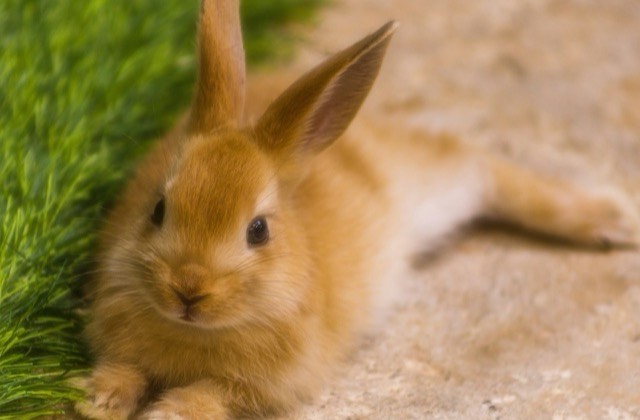
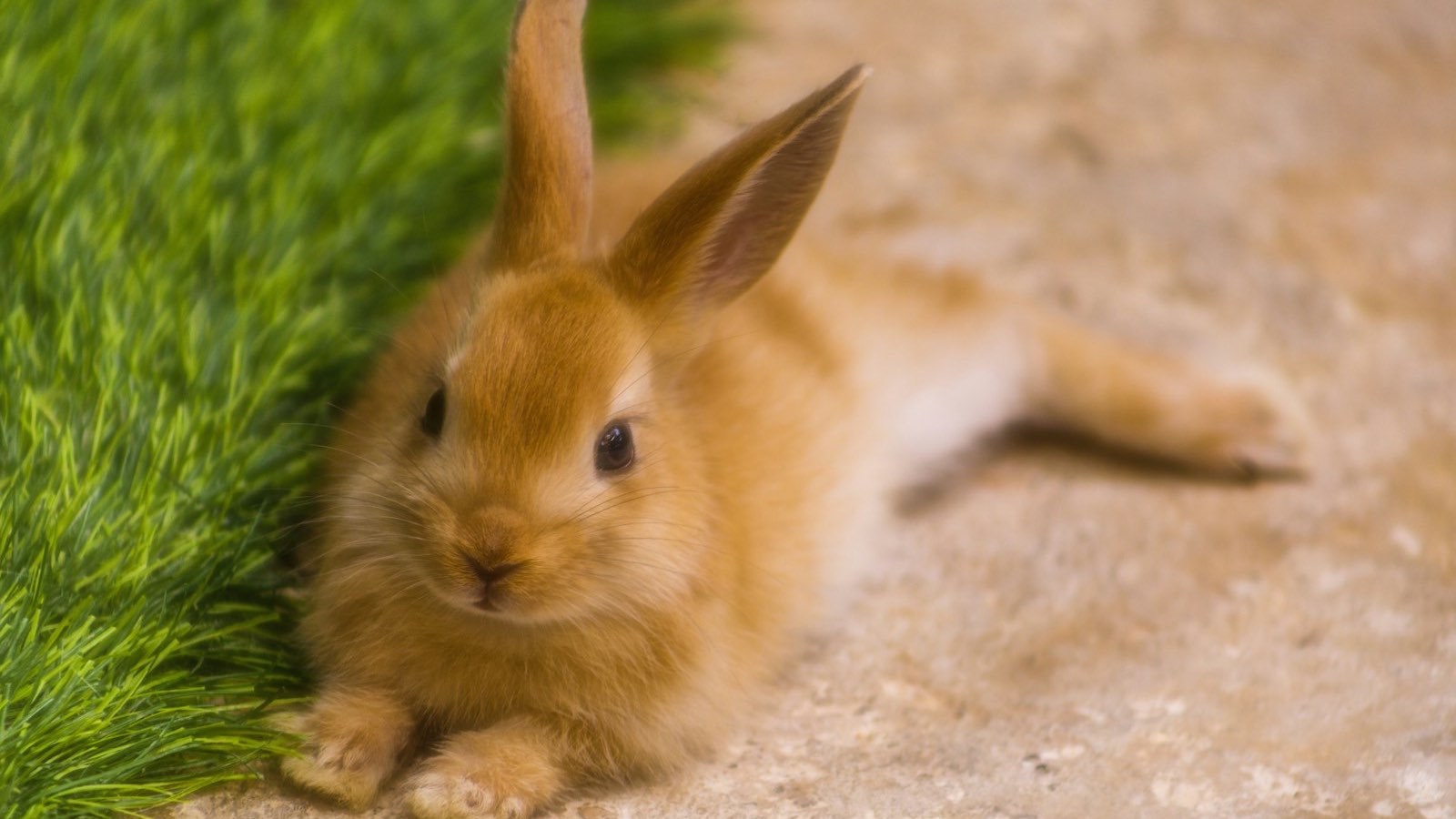
The grimace scale relies on five facial traits, each scored from 0 to 2 depending on intensity. Orbital tightening narrows the eye's outline, as if the rabbit were half-closing its eyelids. The cheeks bulge and stiffen, erasing their natural hollow. The whiskers, normally soft and pointing forward, stiffen and press flat against the muzzle. The ears, usually mobile and upright, flatten backward or press close to the body. Finally, the shape of the nostrils changes, becoming more vertical and pinched than at rest.
Compare against a baseline, not a "normal" rabbit
Every rabbit has its own resting face: some breeds with rounder features or floppy ears make direct reading of the scale harder. The most reliable method is to photograph your rabbit while healthy, in a calm setting, so you have a personal reference to compare against when in doubt. A rabbit whose face suddenly stiffens, combined with a hunched posture or a refusal to move, deserves a prompt vet visit rather than simple monitoring; these signs often overlap with those covered in our article on rabbit GI stasis warning signs, a common and painful emergency.
Watch discreetly, from a distance
Getting too close or staring at a stressed rabbit skews the assessment: stress itself alters facial expression without pain necessarily being involved. It's better to observe for a few minutes from a distance, using binoculars or a discreetly taken photo, before drawing conclusions. Certain behavioural cues usefully complement this facial reading: foot thumping signals irritation or alertness, covered in our article on what rabbit thumping means, while growling and nipping reflect more direct discomfort, detailed in our guide to warning signs before a bite.
- Five facial traits: narrowed eyes, bulging cheeks, stiffened whiskers, flattened ears, pinched nostrils.
- Personal baseline: compare against a photo of the healthy rabbit, not a generic standard.
- Watch from a distance: stress from proximity can skew the facial reading.
- Prompt vet visit if a frozen face is combined with unusual stillness.
Catching these signs early often makes it possible to step in before diffuse pain turns into a digestive or dental emergency.
Frequently asked questions
Does the grimace scale replace a vet's opinion?
No, it's an early home-warning tool; any suspected pain must be confirmed and treated by a vet.
Can a rabbit grimace without being ill?
Brief stress or fear can momentarily alter facial expression; it's the persistence of the signs that should raise concern, not a single grimace.
Does this method work for every breed?
The principle applies to all, but breeds with floppy ears or a very flat face need an even more precise personal baseline to avoid false positives.
See it in the Planète Pets shop: Bubble-window carrier backpack for dwarf rabbit, guinea pig or ferret (€47.90) · the whole shop
This guide is part of Planète Pets’s Rabbits universe. Our advice is general in nature: for any health concern, your veterinarian remains the only reference.