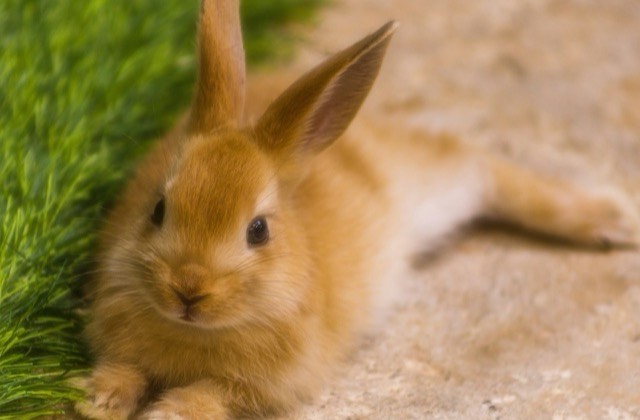
Rabbit who has lost its companion: mistakes to avoid
Published by Planète Pets · managing editor: Clément Lacaille · how our guides are written
Losing a lifelong companion is no small thing for a rabbit left on its own: this is a gregarious animal that actively seeks social contact, and a sudden shift to solitary life often comes with measurable signs of stress. A study by Burn and Shields, published in 2020 in Animal Welfare, compared 15 singly-housed rabbits with 15 pairs at a UK rescue centre and found that solitary individuals showed more stress-related behaviours, including bar-biting, and a lower body temperature in winter than paired rabbits (see the study). Our article on bonding two rabbits covers the equipment needed for a new cohabitation, once the grieving period has passed.
Contents · 5 sections
Should the deceased companion’s belongings be removed right away?
No, that’s a common mistake: leaving the usual blanket or sleeping corner, still carrying the companion’s scent, in place for a few days can soften the sudden change rather than reorganising everything at once.
Should a new companion be introduced right away?
No, either: a rabbit still under stress finds it harder to accept a newcomer, and a failed introduction can make future bonding attempts more difficult. It’s better to wait for a settling period before considering a new cohabitation.
Does more human handling make up for the loss?
Human presence helps, but it doesn’t replace contact with another rabbit: the UK study notes that even increased attention from an owner isn’t enough to erase the stress signs tied to social isolation in this species.
What signs of distress should be watched for during this period?
A drop in appetite, withdrawing into a corner, repeated bar-biting or reduced activity should raise concern. Our article on rabbit behavioural signals helps spot other warning signs worth taking seriously.
- Mistake to avoid: abruptly reorganising the living space in the days after the loss.
- Mistake to avoid: introducing a new rabbit in a rush, before the grieving period has settled.
- Human contact: helpful, but not a substitute for a companion of the same species.
- Signs to watch: appetite, activity level, repetitive behaviours like bar-biting.
Staying attentive, allowing time, and favouring a gradual, well-prepared return to cohabitation remains the best approach for a rabbit going through this difficult period.
Frequently asked questions
How long does this adjustment period usually last?
It varies widely between individuals, from a few days to several weeks; what matters most is tracking appetite and activity rather than fixing a universal timeline.
Can an older rabbit stay solitary long-term without suffering?
Some older or less sociable rabbits do adapt to solitary life, but stepped-up social or human contact is still recommended to limit the risk of chronic stress.
Should a vet be consulted if the rabbit stops eating?
Yes, without delay: any drop in appetite lasting more than a few hours in a rabbit, whatever the apparent emotional cause, is a potential digestive emergency.
In our shop, for this use: Hanging chew garland for rabbits and rodents (€17.90) · the whole shop
This guide is part of Planète Pets’s Rabbits universe. Our advice is general in nature: for any health concern, your veterinarian remains the only reference.