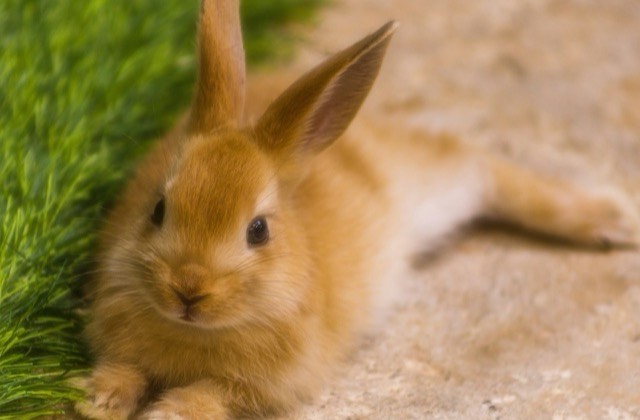
Enriching a rabbit's environment doesn't just change its behaviour: it changes its gut flora too
Published by Planète Pets · managing editor: Clément Lacaille · how our guides are written
Giving a rabbit more space, tunnels and toys doesn't just make it more active or more relaxed: a study by Feng, Fan, Liang, Wang, Gao and Gun, published in 2022 in the journal PeerJ, shows that housing enrichment also changes the composition of the cecal microbiota, the key organ for fibre digestion in this species (see the study). Everyday enrichment ideas are gathered in our rabbit toys and enrichment section.
Contents · 4 sections
Behaviour, hormones and gut flora linked together
The researchers compared rabbits housed in an enriched environment — more space, more things to explore, more opportunities for activity — with rabbits in standard housing. The results show behavioural differences, but also variations in serum hormone levels and a different cecal microbiota composition between the two groups. This link between environment, stress physiology and gut flora is especially relevant in rabbits, whose large cecum plays a central role in digestion and whose balance is easily disrupted by chronic stress, a known risk factor for gut stasis.
Why this result goes beyond simple comfort
Poor enrichment is usually associated with boredom and repetitive behaviours such as cage-bar gnawing, already documented in this species. This study adds another dimension: the consequences of an impoverished environment may extend all the way to digestion, through the pathway linking chronic stress and gut function. Our article on rotating toys to prevent boredom covers how to regularly vary the objects on offer to keep the animal engaged.
Practical ways to enrich the environment
Adding more hiding spots and tunnels, offering platforms at different heights, hiding part of the ration in foraging toys rather than serving it all in a bowl: these simple adjustments mirror the broad strokes of the enrichment tested in the study. Our guides to tunnels and hideouts and puzzle toys cover accessible options for varying the daily routine of an indoor or outdoor rabbit.
- Finding: housing enrichment changes behaviour, hormone levels and cecal microbiota composition.
- Key organ: the cecum, central to fibre digestion in rabbits, sensitive to chronic stress.
- Common trap: reducing enrichment to comfort alone, without considering its link to gut health.
- Good practice: regularly vary hiding spots, heights and foraging toys rather than offering a static environment.
An enriched environment doesn't replace good-quality hay always on offer, but it usefully complements the known levers for keeping a rabbit's digestion stable.
Frequently asked questions
Should all the toys be changed at the same time?
No, gradually rotating a few items at a time is enough to keep a rabbit engaged without unsettling it with an abrupt change to its environment.
Can poor enrichment really cause gut stasis?
Chronic stress is a recognised risk factor for gut stasis in rabbits; environmental enrichment is one lever among others for reducing it, not a guarantee on its own.
Does this kind of enrichment require a big budget?
No: cardboard hideouts, improvised height levels and food hidden in a foraging toy are often enough to reproduce most of the benefits observed.
An accessory from our shop for this use: Natural loofah chew carrot for rabbits and rodents, 20 cm (€17.90) · the whole shop
This guide is part of Planète Pets’s Rabbits universe. Our advice is general in nature: for any health concern, your veterinarian remains the only reference.