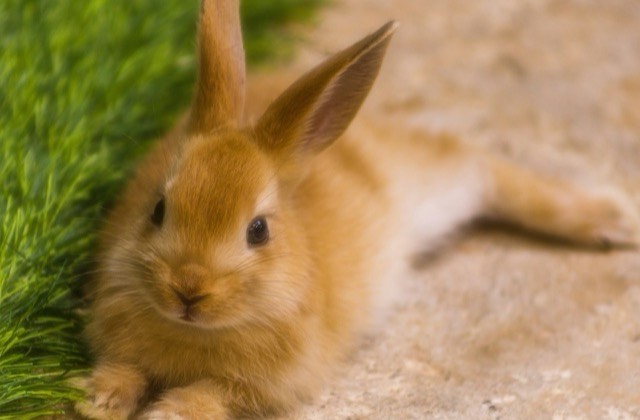
Toys and Chew Items for Rabbits: Which Ones Are Truly Safe?
Published by Planète Pets · managing editor: Clément Lacaille · how our guides are written
A bored rabbit quickly turns destructive: gnawed skirting boards, dug-up carpets, nibbled bars. Chewing isn’t a whim but a physiological need: a rabbit’s teeth grow continuously and must be worn down. Providing good chew items protects your furniture as much as its dental health.
Contents · 5 sections
The safe materials to favour
- Non-toxic woods: untreated apple, hazel and willow. Dried apple branches are a great classic (2 to 6 € a bundle in pet shops, free if you have an untreated orchard).
- Natural, unvarnished wicker and rattan: woven balls, baskets and tunnels, generally between 3 and 12 €.
- Plain cardboard: boxes and toilet-roll tubes stuffed with hay. Free, provided you remove tape, staples and glossy inks.
- Compressed hay: rings and sticks made of 100 % hay — toy and food in one.
To avoid: softwoods (pine, cedar), stone-fruit woods (cherry, apricot), soft plastics that shred, and anything painted or varnished.
Mixing it up: foraging, tossing, digging
Chewing is only one facet of enrichment. Also think of:
- snuffle mats and boxes filled with kraft paper for hiding pellets;
- tossing toys: small wicker rings and light balls that many rabbits grab and fling;
- digging boxes filled with untreated soil or shredded paper — the perfect outlet for compulsive diggers;
- tunnels and hideouts, which make the animal feel safe while entertaining it.
DIY: the best low-cost ideas
No need to empty the pet-shop shelf: a “castle” of nested cardboard boxes with several entrances, a pyramid of toilet-roll tubes stuffed with hay and a few pellets, or an old phone book without its laminated cover to shred will provide hours of occupation. Just check there is no strong glue, tape or staples, and replace anything too soiled. These free toys are also the ones you throw away without regret once destroyed — and a destroyed toy is a toy that has done its job.
Rotation: the secret of toys that last
Rabbits get bored quickly. Rather than piling toys up, build a stock of six to eight and offer two or three at a time, rotating weekly. The novelty effect is renewed at no extra cost. A budget of 20 to 40 € is plenty to start a good rotation.
Toys are no substitute for space or hay
No toy makes up for a habitat that is too small: first check that your companion has enough floor space, as explained in our guide to enclosure size. Likewise, tooth wear relies above all on chewing hay, not toys: a rabbit that deserts its hay rack deserves a dental check-up with an exotic vet. Find all our selections in the toys and enrichment section of Planète Pets.
See it in the Planète Pets shop: Hanging chew garland for rabbits and rodents (€17.90) · the whole shop
This guide is part of Planète Pets’s Rabbits universe. Our advice is general in nature: for any health concern, your veterinarian remains the only reference.