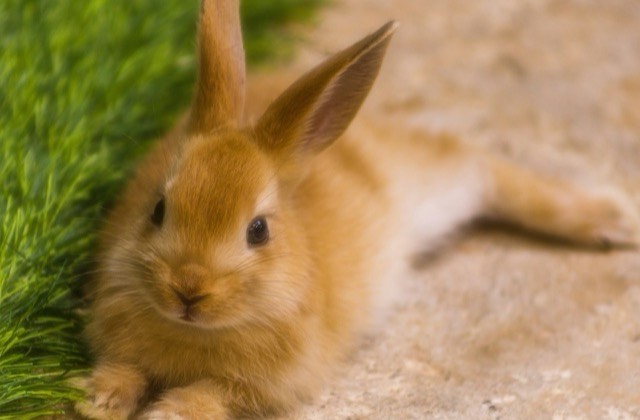
Lionhead rabbit: which litter and bedding suit that mane
Published by Planète Pets · managing editor: Clément Lacaille · how our guides are written
The lionhead rabbit carries long wool around the neck, and often along the flanks, that trails on the floor of its pen as soon as it lies down. That single feature changes the litter equation entirely: what is a comfort detail for a short-haired rabbit becomes a daily hygiene issue here. The lionhead rabbit profile covers its other specific needs.
Contents · 5 sections
What research says about substrate
Two points are documented. On preference, a study by Jocelyne Morisse, Éric Boilletot and Alain Martrenchar, published in 1999 in Applied Animal Behaviour Science, tested rabbits choosing between a wire grid floor and a straw-bedded floor: the animals overwhelmingly chose bedding — but only while it stayed clean and dry, abandoning the area once it was soiled (see the study). On consequences, a study by Petra Wolf, R. Speers and Maria Grazia Cappai, published in 2020 in Research in Veterinary Science, compared straw, wood shavings, coarse bark mulch and cotton bedding in 30 rabbits and measured the effects on dry matter, ammonia levels and pododermatitis: cotton gave the best results thanks to its absorbency and softness, while coarse bark mulch bound liquids poorly and increased soiling (see the study).
What that means for a lionhead
Three takeaways. First, changing frequency matters more than the brand of substrate: clean litter in the tray every day and a full refresh twice a week stop the mane from soaking up urine. Second, favour fine absorbent materials — hemp, flax, paper or wood pellets — over hay used alone as bedding, since hay catches in the wool. Third, rule out coarse substrates and long shavings, which lodge in the mane and form tight mats at the base of the neck.
Separate the eating corner from the toilet corner
For a long-woolled rabbit, pen layout counts as much as substrate. A litter tray in one corner, a hay rack above or beside it but never inside it, and a raised resting area with a washable mat: this configuration sharply reduces the time the mane spends in contact with urine. A flat, non-wire resting board also protects the hocks, which are particularly exposed in rabbits that spend long periods lying down.
The link with flystrike
A soiled rear end is the leading risk factor for flystrike in warm weather, a severe and fast-moving emergency. The subject is covered in detail in our article on the lionhead mane and flystrike risk. The matching brushing routine is in our guide to rabbit grooming: brushing, nails and moulting, and housing size benchmarks are in the rabbit bedding and habitat section.
Frequently asked questions
Can hay be used as litter for a lionhead?
Hay in the litter tray is acceptable if renewed daily, but it should not serve as the main bedding: it tangles in the wool and holds moisture.
Should the mane be clipped in summer?
A tidy-up clip around the rear end is often recommended in hot weather. Have it done by a vet or a groomer used to rabbits: rabbit skin is extremely thin.
Are fabric mats a good idea?
Yes for the resting area, provided they are hot-washable and supervised: some rabbits chew them, which carries a risk of gut obstruction.
An accessory from our shop for this use: 2-in-1 felt tunnel and hideout for rabbits and ferrets (44 × 60 cm) (€37.90) · the whole shop
An accessory from our shop for this use: Electric pet heating pad 45 × 45 cm (17.7 in) with chew-resistant cord ($48.90, ships from the US) · the US shop
This guide is part of Planète Pets’s Rabbits universe. Our advice is general in nature: for any health concern, your veterinarian remains the only reference.