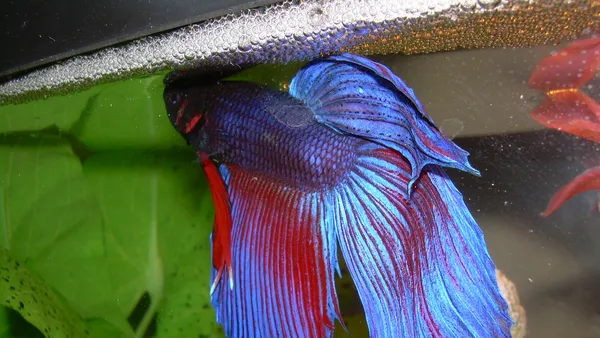
Shrimp and Betta Cohabitation: Good Idea or Guaranteed Risk?
Published by Planète Pets · managing editor: Clément Lacaille · how our guides are written
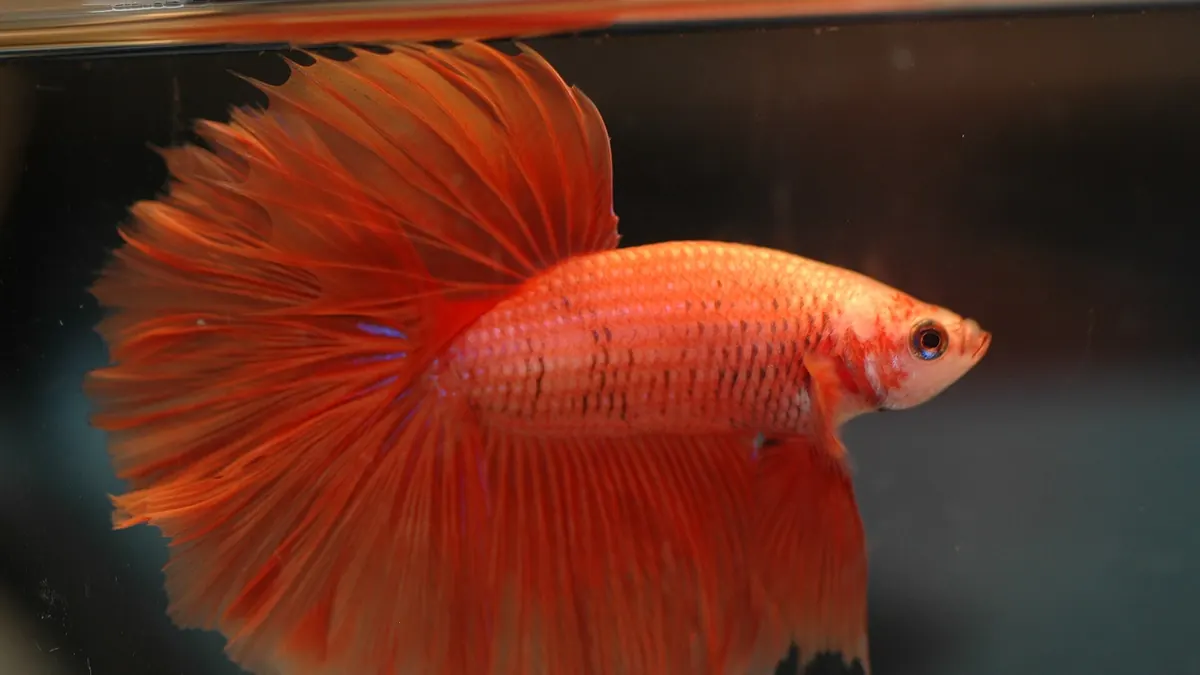
The betta (Betta splendens) is, in the wild, an opportunistic predator that feeds partly on small aquatic invertebrates: cohabitation with dwarf shrimp is therefore a gamble, not a guarantee, and depends heavily on the individual fish's temperament and the shrimp's size. Predatory behaviour of labyrinth fish toward small invertebrates has been documented in various aquatic ethology work, including observations cited by Monvises and colleagues on the biology of the domesticated betta, which note how much individual aggression varies by line and rearing environment. Find our other pointers in the bedding and habitat section and on the fishkeeping hub.
Contents · 5 sections
Which shrimp have the best odds of surviving with a betta?
Larger, faster adult shrimp like the Amano (Caridina multidentata) fare better than red cherries or dwarf shrimp, which a betta more often treats as prey of a suitable size. See our comparison best tank for shrimp and nerite snails for the most reliable pairings.
Should the tank be set up differently to attempt this cohabitation?
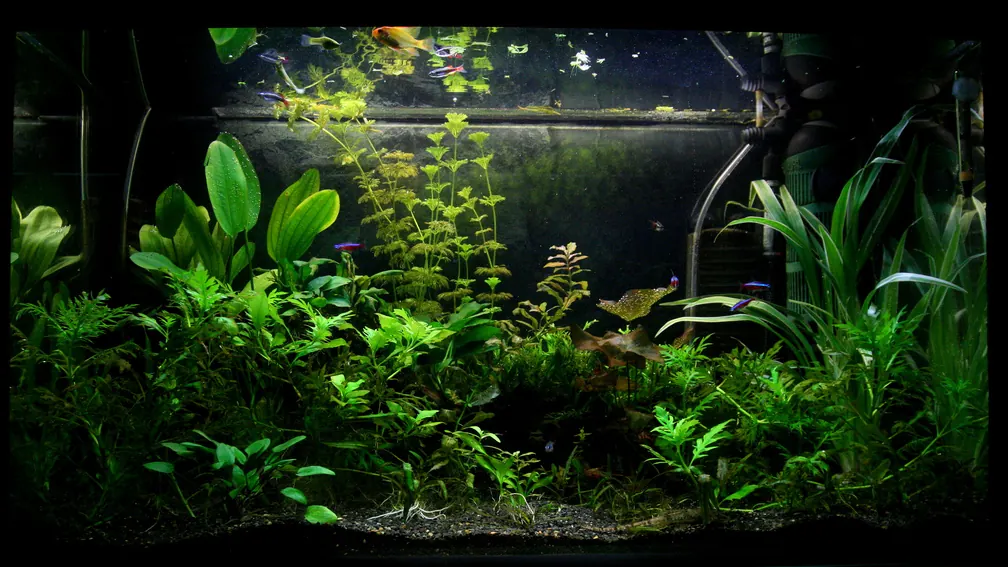
Yes, it's almost a prerequisite: a densely planted tank with plenty of hiding spots (Java moss, driftwood) and an already-established, sizeable shrimp population before the betta is introduced greatly improves the odds of peaceful coexistence. A betta added to a bare tank with a few isolated shrimp will almost always end up hunting them.
How do you know if a particular betta tolerates shrimp?
Temperament varies enormously between individuals: some completely ignore adult shrimp, others actively hunt them from day one. Watch behaviour closely in the first few days, and keep a fallback option (a transfer tank) ready in case of repeated active hunting.
What happens to a breeding shrimp population in the tank?
Newly hatched shrimplets, being tiny, are almost always eaten by the betta, which limits the population explosion sometimes seen in a predator-free tank, unlike what can happen with guppies (see our guide guppy reproduction). The adult shrimp population, on the other hand, can hold steady if it's large and well-established from the start.
- Favour larger adult shrimp (Amano) over dwarf species
- A densely planted tank with plenty of hiding spots remains essential
- Introduce the betta into a tank with an already-established shrimp population
- The individual betta's temperament remains the most decisive factor
Frequently asked questions
Is a female betta more tolerant of shrimp than a male?
Not necessarily: individual temperament matters more than sex for this predatory behaviour.
Should cohabitation be abandoned if the betta actively hunts shrimp?
Yes, it's better to separate them quickly rather than hope for an adjustment that almost never happens in that direction.
Do snails face the same risk with a betta?
Much less so: their shell protects them, although a betta can occasionally go after the smallest individuals.
This guide is part of Planète Pets’s Fishkeeping universe. Our advice is general in nature: for any health concern, your veterinarian remains the only reference.