Shoal Size and Aggression: Why a Small Group Goes Wrong
Published by Planète Pets · managing editor: Clément Lacaille · how our guides are written
In schooling fish, intraspecific aggression doesn't disappear in a group: it simply gets distributed differently depending on numbers, and a shoal that's too small often concentrates tension onto one or two subordinate fish. A study by Magurran and Seghers published in 1991 in the journal Behaviour on wild guppy populations found that group size and structure directly influence the level of aggression observed between individuals. Find our other pointers in the bedding and habitat section and on the fishkeeping hub.
Contents · 5 sections
Why does a small shoal encourage aggression?
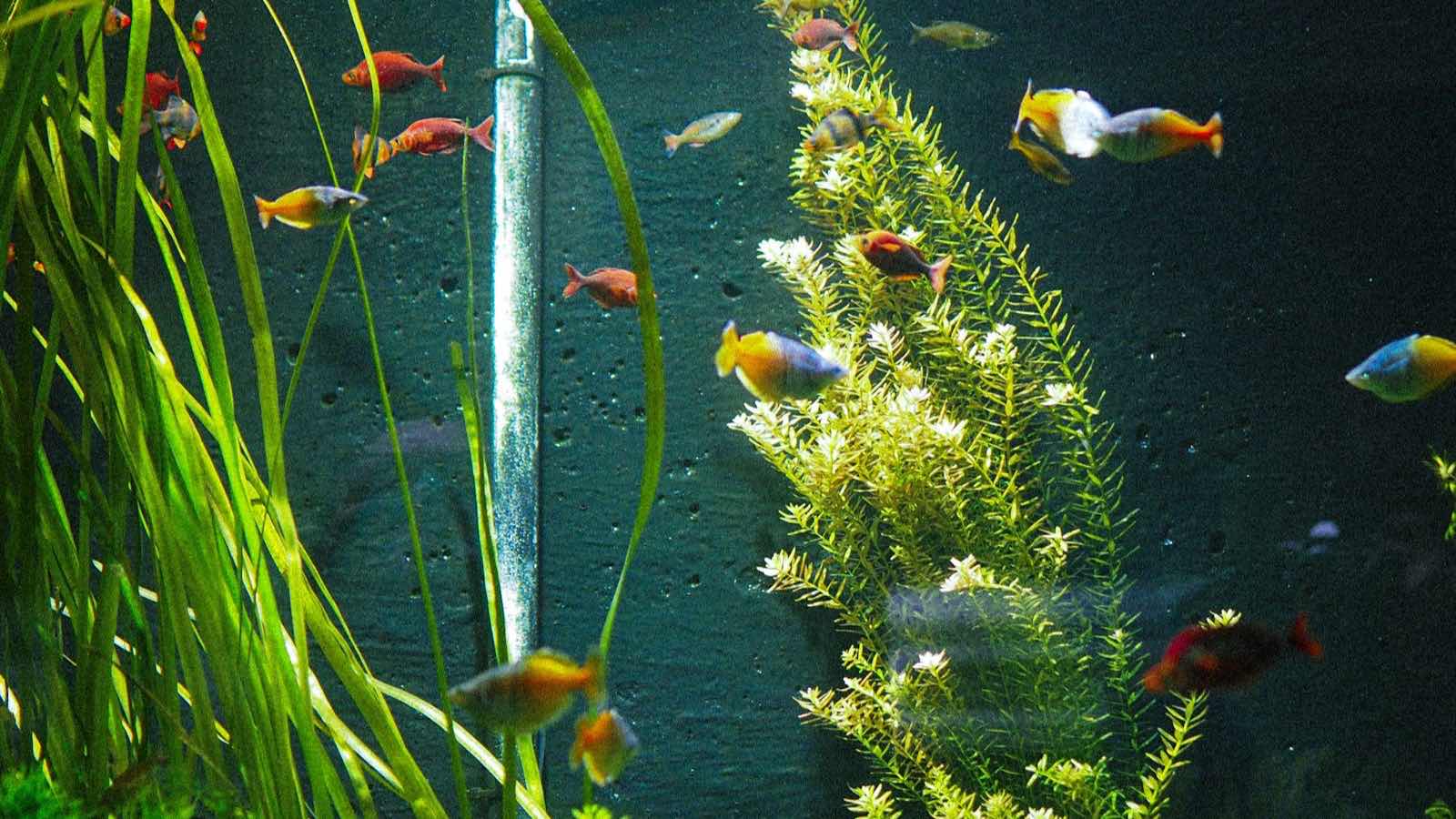
With just two or three individuals, a strict hierarchy forms quickly and the subordinate fish faces constant pressure, unable to blend into a larger crowd the way it could in a bigger group. A larger shoal spreads agonistic interactions across many individuals, reducing the pressure placed on any single one.
What minimum number should you aim for by species?
Most schooling species commonly sold individually in pet stores need a minimum of six to eight fish to show genuinely calm shoaling behaviour, a figure echoed for guppies in our guide guppy reproduction. Below that threshold, chronic stress and targeted aggression rise sharply, even in species considered peaceful.
Does the sex ratio also affect tension levels?
Yes, a marked skew toward males generally increases competition and chasing, a phenomenon documented in bettas in our guide male betta aggression. Favouring more females than males, where the species allows it, often reduces these reproduction-related tensions.
Does insufficient space make the problem worse?
Yes, a volume that's too small prevents subordinate individuals from escaping the dominant fish's line of sight, turning a normal hierarchy into ongoing harassment. A sufficiently long, well-planted tank with visual refuge zones remains essential for a large shoal to truly settle into balance.
- A too-small shoal concentrates aggression on one or two subordinate individuals
- Six to eight individuals minimum for most schooling species sold in pet stores
- A female-favoured sex ratio often reduces reproduction-related tension
- Enough space with refuge zones remains essential for a large shoal
Frequently asked questions
Can two different schooling species be mixed into one shoal?
They often cohabit in the same tank but don't usually form a genuinely mixed shoal: each species still needs its own sufficiently large group.
Can a shoal become too large for a given tank?
Yes, beyond the tank's capacity, overcrowding adds a different kind of stress, tied to water quality and food competition rather than social hierarchy.
Should the whole shoal be added at the same time?
That's preferable when possible: introducing a full group at once limits the formation of a rigid hierarchy that could exclude later arrivals.
See it in the Planète Pets shop: Ceramic pebble hide for shrimp and small fish (€20.90) · the whole shop
This guide is part of Planète Pets’s Fishkeeping universe. Our advice is general in nature: for any health concern, your veterinarian remains the only reference.