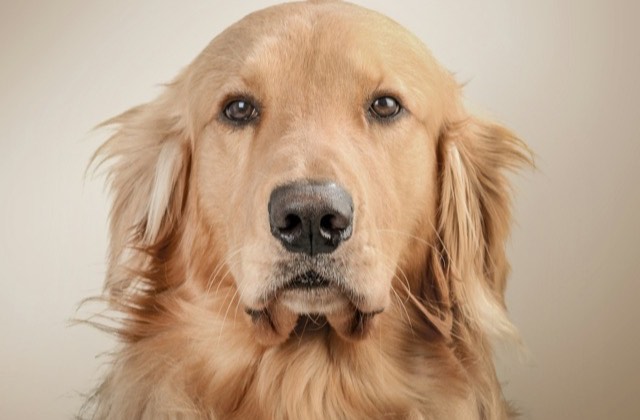
Teething puppy: which toys should you choose for chewing?
Published by Planète Pets · managing editor: Clément Lacaille · how our guides are written
Between roughly three and seven months, a puppy loses its baby teeth and grows all thirty-two adult teeth: a stage where chewing becomes a real physiological need, not just mischief. Choosing the right toys for this phase saves your furniture as much as it protects sore gums. All our toy comparisons are gathered in the dog toys and enrichment section.
Contents · 5 sections
Why does teething push a puppy to chew everything?
The pressure of adult teeth pushing through inflamed gums relieves a genuine discomfort, much like a baby gnawing on a teething ring. A puppy without suitable toys naturally redirects that need onto shoes, furniture legs or any hand left within reach. A landmark review by Hale, published in 2005 in Veterinary Clinics of North America: Small Animal Practice, lays out the full eruption timeline of baby and then adult teeth in dogs and the complications that arise when it doesn't proceed normally, such as a retained baby tooth or an emerging malocclusion (see the study).
Which toys genuinely soothe the gums?
- Soft, textured rubber: the ridges massage the gum without risking a still-fragile tooth, unlike overly hard materials.
- Freezable toys: a few hours in the freezer or fridge lets the cold ease inflammation, an effect close to a cold compress.
- Damp braided rope: chewing lightly cleans forming plaque, best kept to newer toys to limit fibre ingestion.
- Stuffable hollow chews: keeping the jaw busy longer curbs compulsive chewing sessions, the same principle behind a stuffed Kong-style toy.
Which materials should you avoid during this stage?
Hard plastic, wood and overly rigid bones risk fracturing an adult tooth still forming, an injury that can affect its growth. Toys already showing damage with detachable pieces should also be pulled at the first sign of wear, whatever their value for a puppy's cognitive development.
What budget should you plan for?
A suitable teething toy generally costs €5–15, and it helps to keep two or three in rotation to limit wear and boredom. A budget of €20–30 for the whole teething period covers the vast majority of cases.
Frequently asked questions
At what age is adult teething finished?
Generally around six to seven months, with variation by breed and puppy size.
Should you let a puppy chew on hands during play?
No, it's best to redirect to a toy every single time from the first grab, so the habit doesn't outlast the teething period.
Should a little gum bleeding worry you?
A brief, minor bleed linked to a baby tooth falling out is normal; heavy or ongoing bleeding calls for a vet's opinion. Browse all our guides on the dog hub.
An accessory from our shop for this use: “Toothbrush” TPR rubber chew toy for dogs (€33.90) · the whole shop
This guide is part of Planète Pets’s Dogs universe. Our advice is general in nature: for any health concern, your veterinarian remains the only reference.