Heatstroke in dogs: a study of 905,000 UK dogs puts real numbers on breed risk
Published by Planète Pets · managing editor: Clément Lacaille · how our guides are written
Not every breed faces the same risk from heat, but the real gap between breeds is rarely put into numbers. A UK veterinary study tracked close to a million dogs in general practice over a year to measure exactly that risk (see the study). Our other guidance is gathered in the dog bedding and habitat section.

Contents · 5 sections
395 confirmed cases among 905,543 dogs tracked in 2016
Emily Hall, Anne Carter and Dan O'Neill, at the Royal Veterinary College, analysed clinical records for 905,543 dogs under primary veterinary care in the UK in 2016. They identified 395 confirmed cases of heat-related illness, an incidence of 0.04% for the year — a rare event, but far from a mild one: 14.18% of affected dogs died.
Chow chow and bulldog top the list, but it's not just flat-faced breeds
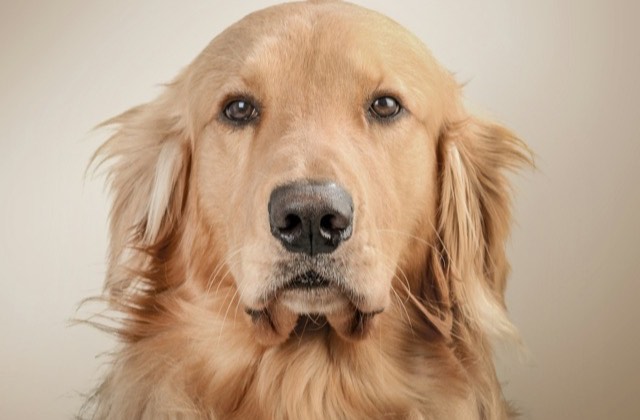
Nine breeds carried a significantly higher risk than the Labrador retriever, used as the baseline: the chow chow topped the list, with a risk more than sixteen times higher, followed by the bulldog, French bulldog and dogue de Bordeaux — expected for these short-muzzled breeds. More surprising: the greyhound, Cavalier King Charles spaniel, pug, English springer spaniel and golden retriever also landed in the high-risk group, none of which has the flattened skull usually linked to heatstroke. Bodyweight above the breed-and-sex average, age over two years, and a weight above 50 kg all came out as risk factors independent of breed itself.
What this study does not show
The study relies on consultation records, not continuous monitoring at home: it puts a number on risk only once a dog reaches a vet, without measuring how many milder episodes owners manage on their own without a consultation. It also does not test how well specific home adjustments (ventilation, shade, water access) work, since it covers the clinical outcome, not the housing conditions beforehand.
What it changes at home
- A golden retriever, greyhound or Cavalier King Charles spaniel deserves the same vigilance as a bulldog on hot days, even without a flattened muzzle — see our article on a dog home alone in summer.
- A dog over 50 kg, or above the average weight for its breed, is among the most exposed profiles regardless of breed — one more reason to watch its weight year-round.
- Dogs over two years old remain just as much at risk as puppies, contrary to the common assumption that very young dogs are the main concern.
- Constant access to shade and cool water remains the baseline, topped up as needed for a given dog's profile with a cooling vest for outings in hot weather.
Frequently asked questions
Are flat-faced breeds the only ones at risk of heatstroke?
No: this study also places the greyhound, Cavalier King Charles spaniel and golden retriever in the high-risk group, alongside the bulldog and chow chow.
Is heatstroke actually dangerous?
Yes: of the 395 confirmed cases in this study, nearly one dog in seven died, which makes it an emergency to take seriously from the first signs.
Does a dog's weight matter independently of its breed?
Yes, a dog heavier than the average for its breed and sex, or weighing over 50 kg, faces higher risk regardless of breed. Find all our guides on the dog hub.
In our shop, for this use: Ice-silk cooling mat for dogs (62 × 50 to 100 × 70 cm) (€40.90) · the whole shop
In our shop, for this use: Folding 3-step wooden pet stairs for beds and sofas ($75.90, ships from the US) · the US shop
This guide is part of Planète Pets’s Dogs universe. Our advice is general in nature: for any health concern, your veterinarian remains the only reference.