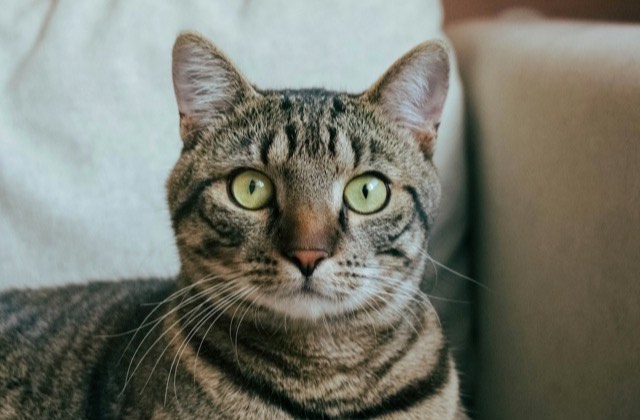
Cat sick in the car: why it happens and how to limit motion sickness
Published by Planète Pets · managing editor: Clément Lacaille · how our guides are written
Many cats tolerate the car badly: they drool heavily, meow non-stop, tremble, and sometimes vomit or soil themselves. This motion sickness blends two mechanisms: a physical component tied to the inner ear and the vestibular system, still immature in the young, and a strong emotional component. Research on cat stress during transport and veterinary visits shows how much anticipation and habituation reduce these reactions. Find our other pointers in the travel and safety section.
Contents · 4 sections
Defuse the carrier stress
For many cats the problem starts before the car: the carrier is only ever associated with the vet. Leave it out permanently at home, lined with familiar fabric and with treats inside, so it becomes a refuge rather than a trap. A well-chosen, well-secured carrier does the rest: see our guide to securing the carrier in the car.
Habituate gradually to the car
Work in stages: a few minutes with the engine off, then the engine on while stationary, then very short rewarded trips before lengthening them. This desensitisation, spread over several days, teaches the cat that the journey ends well. Drive smoothly, avoiding sharp acceleration and tight bends that worsen nausea.
Set up to reduce nausea
A cat that has fasted for a few hours vomits less: avoid a meal right before departure. Place the carrier flat and wedged, never on a seat where it slides, and partly cover it with a cloth to soften the passing visual stimuli. Good ventilation and a cool temperature also help. If motion sickness stays severe despite habituation, a vet can suggest a suitable anti-nausea or anti-anxiety treatment. For long absences rather than trips, see also how to equip a kitten's arrival well.
Frequently asked questions
Does car sickness ease with age?
Often yes: the vestibular component fades in adulthood. But the fear persists if trips stay rare and negative.
Can I give a human anti-nausea drug?
Never without veterinary advice: many human molecules are toxic to cats. Only a professional prescribes a suitable product.
Should I let the cat out of the carrier in the car?
No: a loose cat in the cabin is a danger to itself and to driving. The carrier is the only safe option.
An accessory from our shop for this use: Escape-resistant cat harness + 1.5 m leash (€19.90) · the whole shop
See it at Le Félin, a shop from the same family (zero commission): Grand arbre à chat (from €179.99)
This guide is part of Planète Pets’s Cats universe. Our advice is general in nature: for any health concern, your veterinarian remains the only reference.