Toys for a Chihuahua: durability, exercise and enrichment
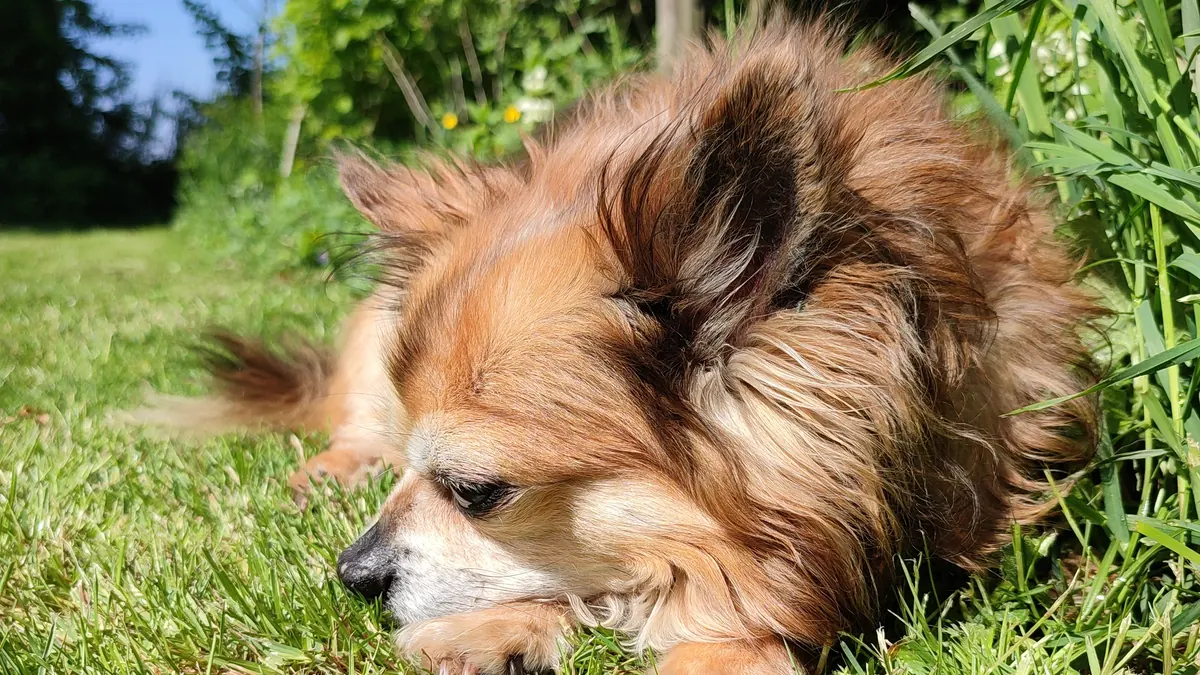

Chihuahua: Choose XS toys that are light and easy to grab; standard toys are too big and too hard for its jaw. Despite its size, it needs proper walks and small scent games to thrive.
Our practical guides together, to download: Course: Train Your Dog in 8 Weeks — 2 PDF guides (85 pages in English (86 in French)), in English and French, instant download. Get my bundle — €49
In short: Miniature dog, 15-23 cm at the withers (1-3 kg), short or long coat, medium energy level. The smallest dog in the world, bold, strong-willed and deeply bonded to its owner. At 1-3 kg, everything must be sized XXS: harnesses absent from standard shelves, mini kibble, cold protection and fracture prevention after a mere jump off the sofa.
Toys that survive a Chihuahua
Its soft mouth suits plush and soft toys, which it carries more than it destroys — perfect for retrieving toys and comforters. A damaged toy comes out immediately: swallowed pieces rank among the most frequent reasons for canine surgery.
How much daily activity?
An adult Chihuahua demands 30 to 45 minutes of real activity each day — and count the sniffy walks: ten minutes of nose-down work equals half an hour of marching.
Mental work: the real boredom-buster
On days without outings, the Chihuahua spends itself differently: snuffle mats, kibble dispensers and canine puzzles — always starting easy, since success feeds motivation where failure kills it. Two or three ten-minute sessions beat an hour on Sunday.
Frequently asked questions
Which toys should I pick for a Chihuahua?
Its soft mouth suits plush and soft toys, which it carries more than it destroys — perfect for retrieving toys and comforters.
How much exercise does a Chihuahua need daily?
30 to 45 minutes of real activity a day on average for a healthy adult, adjusted for age and weather.
The guides that apply to you
- Bull Terrier: compulsive tail chasing and the role of enrichment
The Bull Terrier is the reference breed for research into compulsive tail-chasing behaviour. What a Tufts University survey shows and how daily enrichment can help.
- Floating toy for dogs: how to choose one for swimming
Floating dog toy: materials, visibility and safety criteria for risk-free play in the water.
- Dogs and working from home: keeping them occupied during the day
Working from home with a dog: how to structure the day, avoid new dependency, keep them occupied during calls, and spot early signs of distress.
- Indestructible or easy-to-chew: what a kennel study reveals about dogs’ real toy preferences
A study compared several toy types and presentation methods with kennel-housed dogs: the toughest, most indestructible toys were not the ones that drew the most spontaneous interaction.