Toys for a Basset Hound: durability, exercise and enrichment
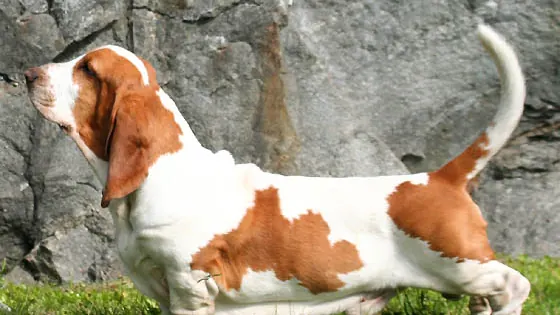
Basset Hound: This is a scent hound first: snuffle mats, tracking games and food-dispensing toys suit it better than ball throwing. Avoid games that encourage jumping or rearing up, which are hard on its spine.
All your small pets in one place, ready to print: Course: Train Your Dog in 8 Weeks — 2 PDF guides (85 pages in English (86 in French)), in English and French, instant download. Get my bundle — €49
In short: Low, heavy dog of 20 to 30 kg, dense short coat, moderate energy with a very active nose. A placid, stubborn, low-slung dog whose nose often overrules its obedience. A chondrodystrophic breed: 20 to 30 kg on very short legs, too heavy to lift safely — a folding ramp for the car and sofa is its key accessory.
Toys that survive a Basset Hound
Its average jaw handles classic toys: standard rubber, ropes and solid balls are enough, keeping an eye on wear. Inspect the toy basket weekly and bin anything split or gutted — swallowed fragments remain a routine veterinary emergency.
How much daily activity?
An adult Basset Hound demands 60 to 90 minutes of real activity each day, sniffy walks included — ten minutes of nose-work tires a dog as much as thirty minutes of walking.
Mental work: the real boredom-buster
On days without outings, the Basset Hound spends itself differently: snuffle mats, kibble dispensers and canine puzzles — always starting easy, since success feeds motivation where failure kills it. Two or three ten-minute sessions beat an hour on Sunday.
Frequently asked questions
Which toys should I pick for a Basset Hound?
Its average jaw handles classic toys: standard rubber, ropes and solid balls are enough, keeping an eye on wear.
How much exercise does a Basset Hound need daily?
The cruising range: 60-90 minutes of authentic activity a day, dialled down for seniors and in heatwaves.
The guides that apply to you
- Dogs and working from home: keeping them occupied during the day
Working from home with a dog: how to structure the day, avoid new dependency, keep them occupied during calls, and spot early signs of distress.
- Scented dog toys: a study puts a number on how much scent changes a toy’s appeal
A shelter study measured how long dogs spent with their toys depending on whether they were scented: the effect was strongest on toys the dogs liked least to begin with.
- Alaskan Malamute: hereditary polyneuropathy and which activities to favour
A genetic mutation identified in the Alaskan Malamute causes a progressive polyneuropathy that limits exercise tolerance. What the landmark study shows and which games suit an at-risk dog.
- Dog growling: why dogs growl and what to do
Is your dog growling? It is a warning, not defiance. What it means, why you should never punish it, when to see a vet and what to do day to day.