Travelling with a Chartreux: carrier, car and safety
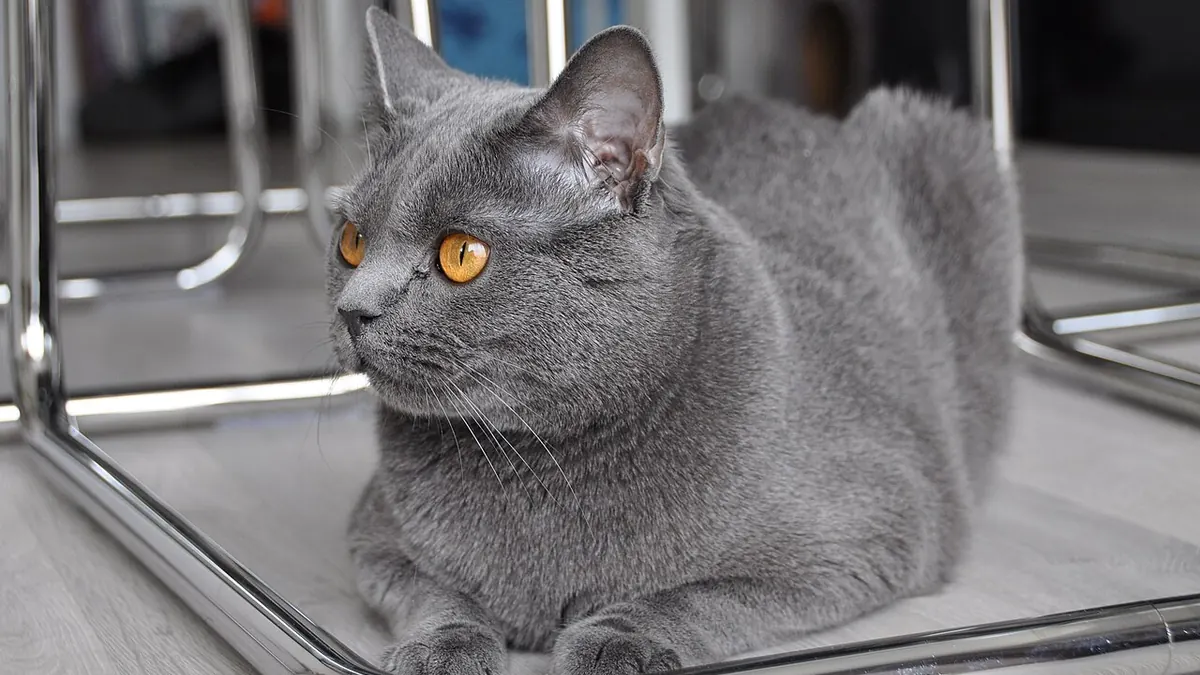

Chartreux : A standard 50 cm carrier works, but pick a sturdy model: this is a muscular, stocky cat, heavier than it looks. Generally calm, it handles trips well if accustomed young.
An accessory from our shop for this use: Escape-resistant cat harness + 1.5 m leash (€19.90) · the whole shop
Outside our shipping area? The downloadable practical guide: The Healthy Cat Handbook: Prevention Made Simple (€15)
In short: Medium to large cat (3 to 7 kg), dense woolly short coat, moderate energy. A quiet, loyal cat that rarely meows and bonds strongly with its household. Its woolly double coat goes through two heavy moults a year, times when a suitable comb becomes essential.
The right carrier for a Chartreux
For a 3 to 7 kg Chartreux, aim for a rigid carrier around 55 cm, with a top opening that proves invaluable at the vet’s. Parked permanently in the living room with a familiar-smelling blanket inside, it stops announcing the vet — and departures happen without a chase.
In the car and beyond
Always secure the carrier (belt or footwell): under emergency braking, an unrestrained 3 to 7 kg crosses the cabin. A light cloth over the carrier settles most cats in transit. Trains only require the carrier; planes admit cats in the cabin as long as the total stays under the weight limit (8 kg bag included at most airlines).
Identification and everyday safety
Identification is mandatory (microchip), with an EU passport and rabies vaccination for border crossings. In flats, safety is decided at the windows: blocked tilt-and-turns and protection nets — cat falls are a veterinary-ER classic.
Frequently asked questions
What carrier size for a Chartreux?
About 55 cm long: sitting without touching the ceiling, turning without wedging. A rigid top-opening model makes vet visits easier.
How do I get a Chartreux used to its carrier?
Leave it open in the living room with a scented blanket and treats inside, closing the door only once the habit is set: within two or three weeks the carrier becomes a den.
The guides that apply to you
- Manual or microchip cat flap: which one should you install?
Standard or microchip cat flap: security, fitting in a door, wall or glass, budget and the criteria for letting your cat out with peace of mind.
- Cat-specific music: an effect during consultation, none during hospitalisation
Three trials measure the effect of species-composed music on cat stress. Results diverge with exposure length and setting — here is what each one actually measured.
- Norwegian Forest Cat outdoors: what the camera-collar study shows, and how to secure its territory
Only 23% of captured prey ever makes it home, according to the 2013 Loyd study. For a born hunter like the Norwegian Forest Cat, what that means and how to secure outdoor access.
- Flying with your cat: ticket, carrier and rules to know before booking
Flying with your cat: booking a pet ticket, choosing an airline-approved cabin carrier and preparing the paperwork before departure.