Care for a Rex: grooming, claws and prevention
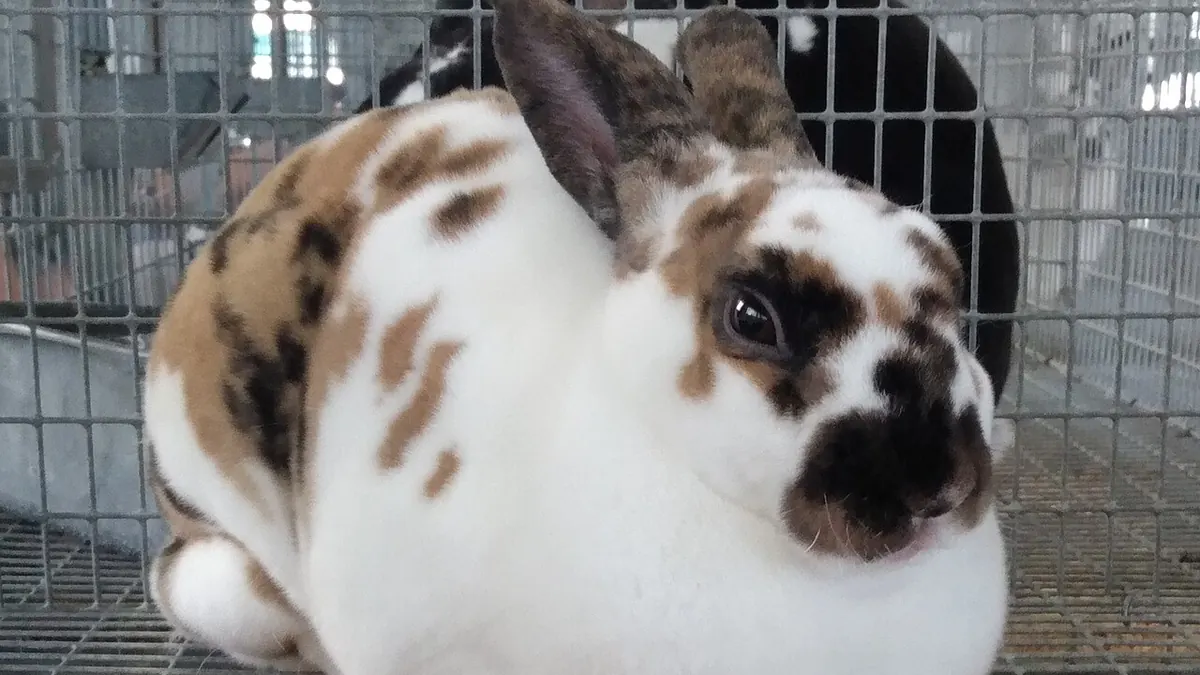
.jpg)
Rex : Its velvety fur only needs gentle, occasional brushing; a grooming mitt is often enough. On the other hand, inspect the underside of its feet weekly: the fur there is sparse and predisposes it to sore hocks, painful heel lesions.
Outside our shipping area? The downloadable practical guide: The Pet Rabbit Handbook (€17)
🩺 This health information is general in nature and does not replace a consultation: at the slightest doubt about your animal’s condition, talk to your vet.
In short: Between 3 and 4.5 kg as an adult, short and dense velvety fur, calm and affectionate temperament. A medium-sized rabbit, calm and people-oriented, that enjoys contact and ground-level play. The sparse fur under its feet rules out wire or slatted floors: thick mats and padded resting spots are the priority purchase.
Brushing: at the coat’s pace
The Rex needs an occasional soft glove — its dense, short fur suffers under a hard brush. Crucial point: rabbits cannot vomit — swallowed fur builds up and can block the gut, so brushing is healthcare, not cosmetics. Never bathe a rabbit: a wet rabbit chills dangerously and panics.
Claws, teeth, hocks
Trim claws every four to six weeks (small clippers, well clear of the pink quick). Teeth grow continuously: hay wears them down — an annual vet check verifies them. Watch the hocks: pododermatitis stalks the rex’s ultra-short fur, and soft flooring (rugs, deep litter) prevents it.
The Rex’s health: what to monitor
Known breed watch-points: sore hocks (pododermatitis) linked to the sparse fur under the feet. Add vaccinations (myxomatosis, RHD), recommended even indoors, and a life expectancy of 6 to 9 years earned through daily care. Any change in eating behaviour is treated as an emergency.
Frequently asked questions
Should you bathe a Rex?
No — never a bath: rabbits groom themselves, and soaked fur risks hypothermia and acute stress. For soiling, spot-clean with a damp cloth only.
How often should a Rex be groomed?
For its coat: an occasional soft glove — its dense, short fur suffers under a hard brush.
The guides that apply to you
- Rabbit cecotropes and soft droppings: understanding what the stool tells you
Rabbits produce two kinds of droppings, and eating them is normal and vital. Telling healthy cecotropes from abnormal soft stool and stuck clusters, and when to worry.
- Antibiotics dangerous for rabbits: which ones to avoid
Some antibiotics routine in dogs or cats trigger fatal enterotoxaemia in rabbits: which ones to avoid and what to do if you're unsure.
- Does being petted by a stranger really stress a rabbit out?
At the vet, in boarding, or during a pet-sit, your rabbit is often handled by someone it doesn't know. A recent study measures the physiological cost of that.
- Uterine disease in does: what a study of 116 female rabbits reveals
Spaying a doe is sometimes seen as purely a matter of convenience. A prospective study of the uterus in 116 female rabbits shows how large the real risk is in an unspayed animal.