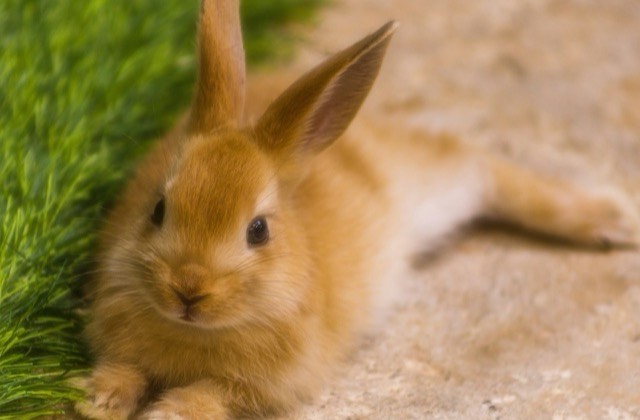
Feeding a kit at weaning: the gentle transition
Published by Planète Pets · managing editor: Clément Lacaille · how our guides are written
Between four and eight weeks old, a rabbit kit's digestive system moves from an exclusively milk-based diet to an adult gut flora capable of digesting fibre and plant matter. Natural as this transition is, it remains the riskiest period of a rabbit's life for serious digestive trouble. Our diet guides are gathered in the rabbit food section.
Contents · 6 sections
What the research on this risk window shows
A study by Gidenne and Fortun-Lamothe, published in 2002 in the journal Animal Research on the nutritional consequences of weaning in the growing rabbit, found that caecal flora maturation remains incomplete for several weeks after milk feeding stops, leaving the kit particularly vulnerable to digestive imbalance during this period. This work supports introducing new foods very gradually rather than switching the diet abruptly.
Hay, present from the very start
Contrary to popular belief, hay should be accessible from the first few weeks, well before full weaning: a kit watches its mother nibble it and starts eating small amounts very early, which primes its digestive flora. Good-quality hay, like that described in our guide to choosing meadow, Crau, or second-cut hay, should stay available around the clock throughout the transition.
Pellets, in a measured, gradual amount
A fibre-rich junior pellet, introduced in a tiny amount and increased very gradually over two to three weeks, complements hay without replacing it. Our article on junior versus adult rabbit pellets covers quantity guidelines by age and weight for a young rabbit.
Fresh vegetables: wait a little longer
It's best to delay introducing fresh vegetables until three or four months of age, one food at a time and in a tiny amount, watching the droppings over the following twenty-four hours. A still-immature gut flora tolerates a sudden intake of water and fermentable fibre from vegetables poorly, which can trigger severe diarrhoea in a very young rabbit.
Warning signs to watch for
Soft droppings, a sudden loss of appetite, or a bloated belly during this period call for a prompt vet visit, since gut stasis can progress very quickly in a young animal. Our guide to rabbit GI stasis warning signs covers the signs never to overlook, at any age.
Frequently asked questions
At what age can a kit be separated from its mother?
Generally not before eight weeks, since weaning too early significantly raises the risk of digestive and immune problems.
Should water be given alongside the mother's milk?
Yes, clean water should be available at all times as soon as a kit starts eating on its own, alongside nursing.
Is a kit that refuses hay a cause for concern?
A temporary lack of interest is common, but total refusal combined with reduced activity calls for a vet's opinion without delay. Browse all our guides on the rabbit hub.
An accessory from our shop for this use: Wooden hay rack with tray for rabbit, guinea pig and chinchilla (€21.90) · the whole shop
This guide is part of Planète Pets’s Rabbits universe. Our advice is general in nature: for any health concern, your veterinarian remains the only reference.