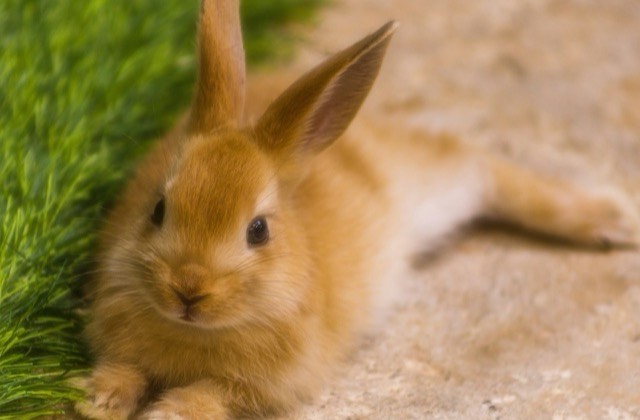
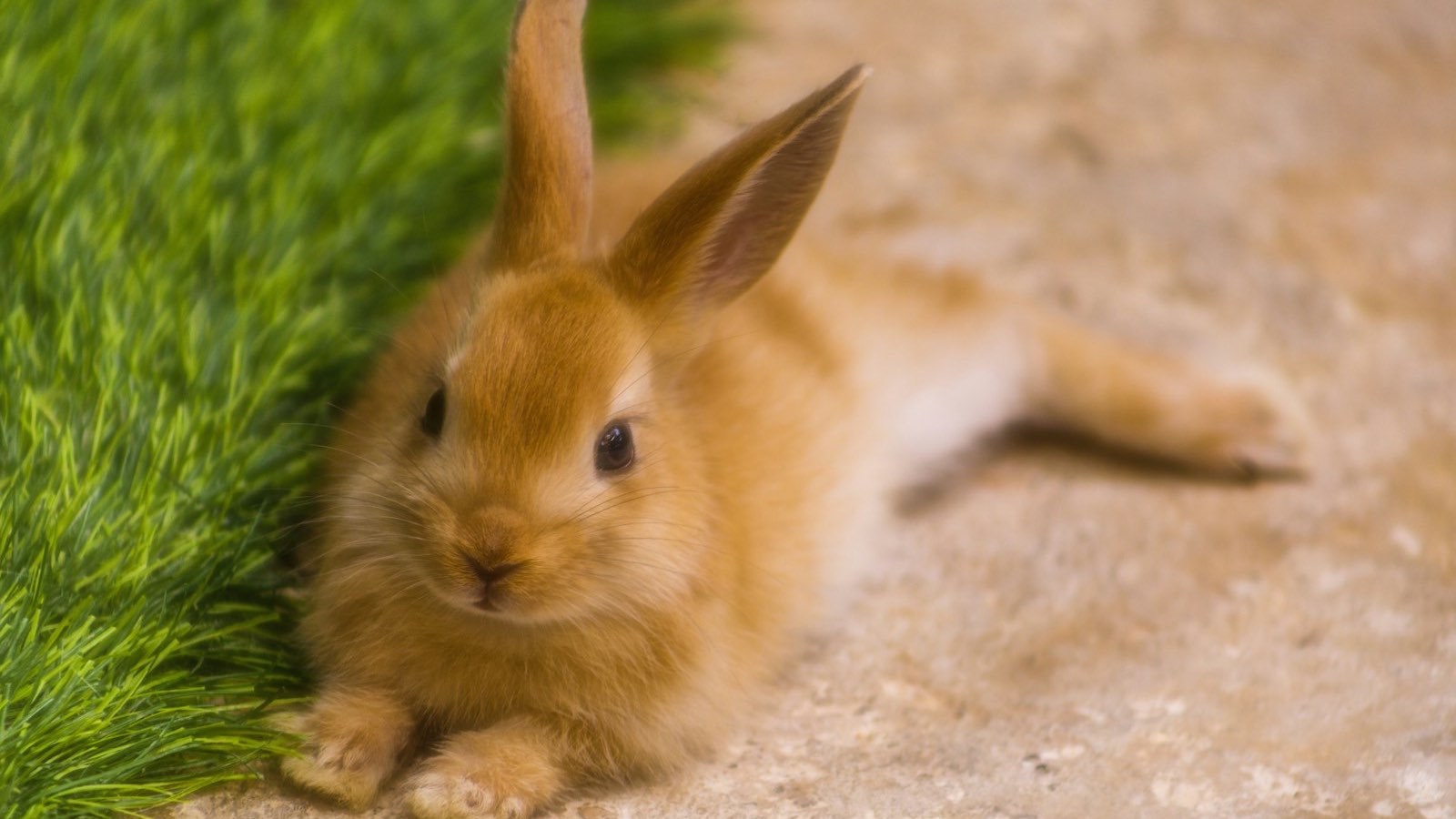
Dwarf rabbit: does its small size justify a smaller enclosure?
Published by Planète Pets · managing editor: Clément Lacaille · how our guides are written
A dwarf rabbit under 1.5 kg might seem to get by fine with a more modest amount of space than a large breed, an assumption that sometimes leads owners toward a compact cage. A study by Dixon, Hardiman and Cooper, published in 2010 in the Journal of Applied Animal Welfare Science, compared the behaviour of pet rabbits housed in enclosures of different sizes and found that restricted space clearly reduced movement and active postures, regardless of the animal's size. Find all our home setup guidance in the rabbit bedding and habitat section.
Contents · 4 sections
Does a small build really change the space needed?
Not according to this study: it's the absolute floor space available, not the ratio between a rabbit's size and its cage, that shapes activity levels. A dwarf rabbit confined to a tiny space shows the same restricted behaviours as a large-breed rabbit kept under the same conditions.
How much space should be planned despite the low weight?
The usual length, width and height benchmarks that allow full hops and standing upright still hold regardless of the animal's weight. Our comparison of dwarf versus lop rabbits: space and budget covers the practical needs for the most common builds.
How to make up for a small cage when space is limited?
Daily hours of supervised free-roaming or pen time remain the most effective fix, far more decisive than a few extra square centimetres gained on the cage itself. A varied setup with hideouts and surfaces to explore also encourages the kind of movement the study links to welfare.
- Study finding: restricted space reduces movement and active postures, independent of body size.
- Common assumption: a small rabbit doesn't need proportionally less space.
- Practical benchmark: full hops and standing upright should stay possible, whatever the weight.
- Trade-off: regular daily time out beats a cage that's only slightly bigger.
A dwarf rabbit's compact build doesn't excuse skimping on space: it's the floor space actually available that drives its activity, far more than its size at the shoulder.
Frequently asked questions
Can a dwarf rabbit live in a cage alone?
That isn't recommended: daily time out remains necessary even for the smallest builds, following the same principles as for a large breed.
Does litter size affect adult space needs?
The study doesn't cover that factor; it measured space available at adulthood, independent of litter history.
Does a raised platform make up for less floor space?
Only partly: floor space remains decisive for movement and hopping, which a raised level doesn't fully replace.
An accessory from our shop for this use: Bubble-window carrier backpack for dwarf rabbit, guinea pig or ferret (€47.90) · the whole shop
An accessory from our shop for this use: Modular plastic playpen for puppies and rabbits, 4 or 6 panels (from $87.90, ships from the US) · the US shop
This guide is part of Planète Pets’s Rabbits universe. Our advice is general in nature: for any health concern, your veterinarian remains the only reference.