Silent Cycling: Can Plants Skip the Fishless Cycle?
Published by Planète Pets · managing editor: Clément Lacaille · how our guides are written
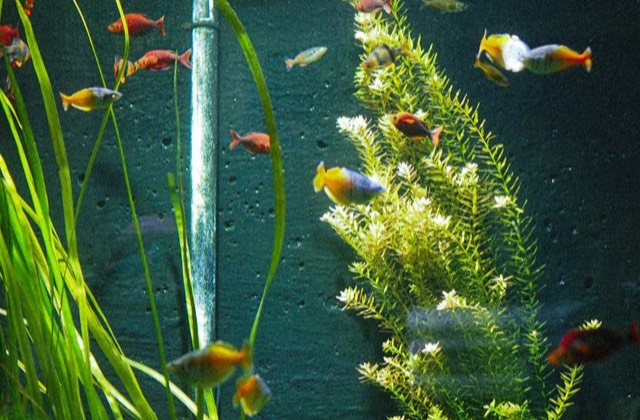
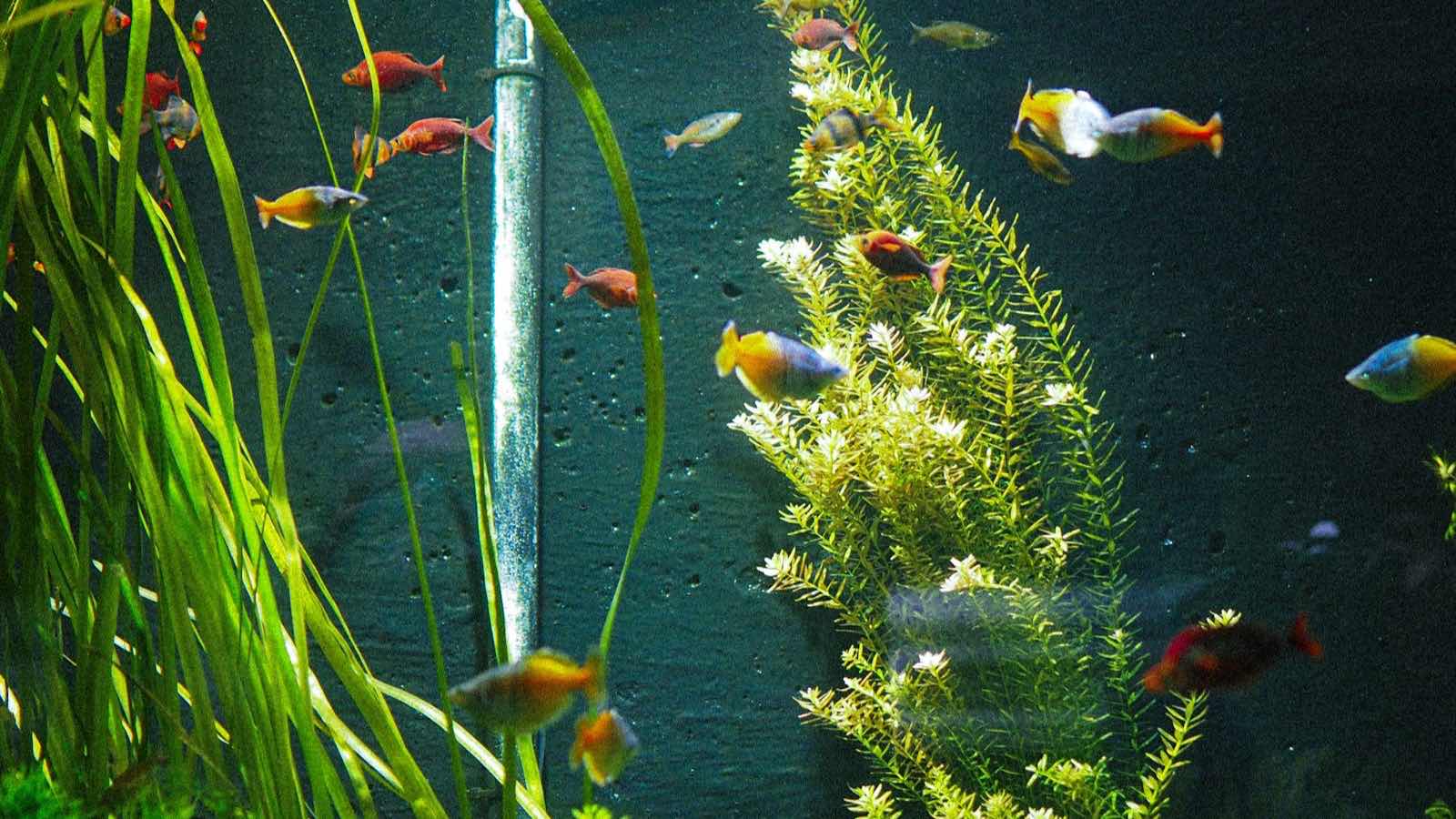
Silent cycling (also called plant-based fishless cycling) involves setting up a heavily planted tank from the start, using fast-growing species like hygrophila or egeria, which directly absorb the ammonia produced before a full bacterial cycle is even established. The principle relies on the capacity of aquatic macrophytes to take up nitrogen, documented in particular by Reddy and DeBusk's work on nutrient uptake by aquatic plants, which shows significant uptake capacity in certain fast-growing species. Find our other pointers in the bedding and habitat section and on the fishkeeping hub.
Contents · 5 sections
Does silent cycling really replace the bacterial cycle?
Not entirely: plants reduce the ammonia and nitrite load available to nitrifying bacteria, which limits toxic spikes, but a bacterial population still gradually establishes itself on the filter and decor regardless. It's a complementary method to the classic cycle described in our guide fishless cycling with ammonia, not a full substitute.
Which plants work best for this method?
Fast-growing, nitrogen-hungry plants give the best results: hygrophila polysperma, egeria densa, emergent pothos (roots in the water), or duckweed. A significant planting density from the start, rather than a few isolated plants, is needed for a measurable effect on water parameters.
Can fish be added sooner with this method?
A bit sooner than a full classic cycle, but cautiously: always test ammonia and nitrites before any introduction, and favour a light initial fish load, as with a standard first stocking detailed in our guide first fish in a 60-litre aquarium. Water tests remain the only reliable guarantee, never a calendar-based estimate.
What are the limits of this approach?
Plants mainly absorb nitrogen in ammonium form, less effectively nitrites and nitrates already formed; a temporary spike remains possible if the organic load exceeds the plants' absorption capacity. This method therefore suits a moderately stocked tank better than a heavily loaded one from the start.
- Silent cycling reduces ammonia spikes but doesn't fully replace water testing
- Heavy planting density and fast-growing species are required
- Always test ammonia and nitrites before adding fish, even with plants in place
- This method suits a gradual, moderate stocking approach best
Frequently asked questions
Does silent cycling work in brackish or marine tanks?
The principle is mostly documented for planted freshwater tanks; in marine setups, macroalgae can play a similar role but the method is less standardised.
Is a filter still needed with this method?
Yes, the filter remains essential for mechanical filtration and to house the bacterial population that keeps building up alongside the plants.
How long before fish can be added?
This varies with planting density and tank size, but expect roughly two to three weeks of monitoring parameters before a cautious first stocking.
See it in the Planète Pets shop: Tall artificial aquarium plant, 45 to 49 cm, weighted base (€23.90) · the whole shop
This guide is part of Planète Pets’s Fishkeeping universe. Our advice is general in nature: for any health concern, your veterinarian remains the only reference.