The ozone generator in a marine tank: what the research actually measures
Published by Planète Pets · managing editor: Clément Lacaille · how our guides are written
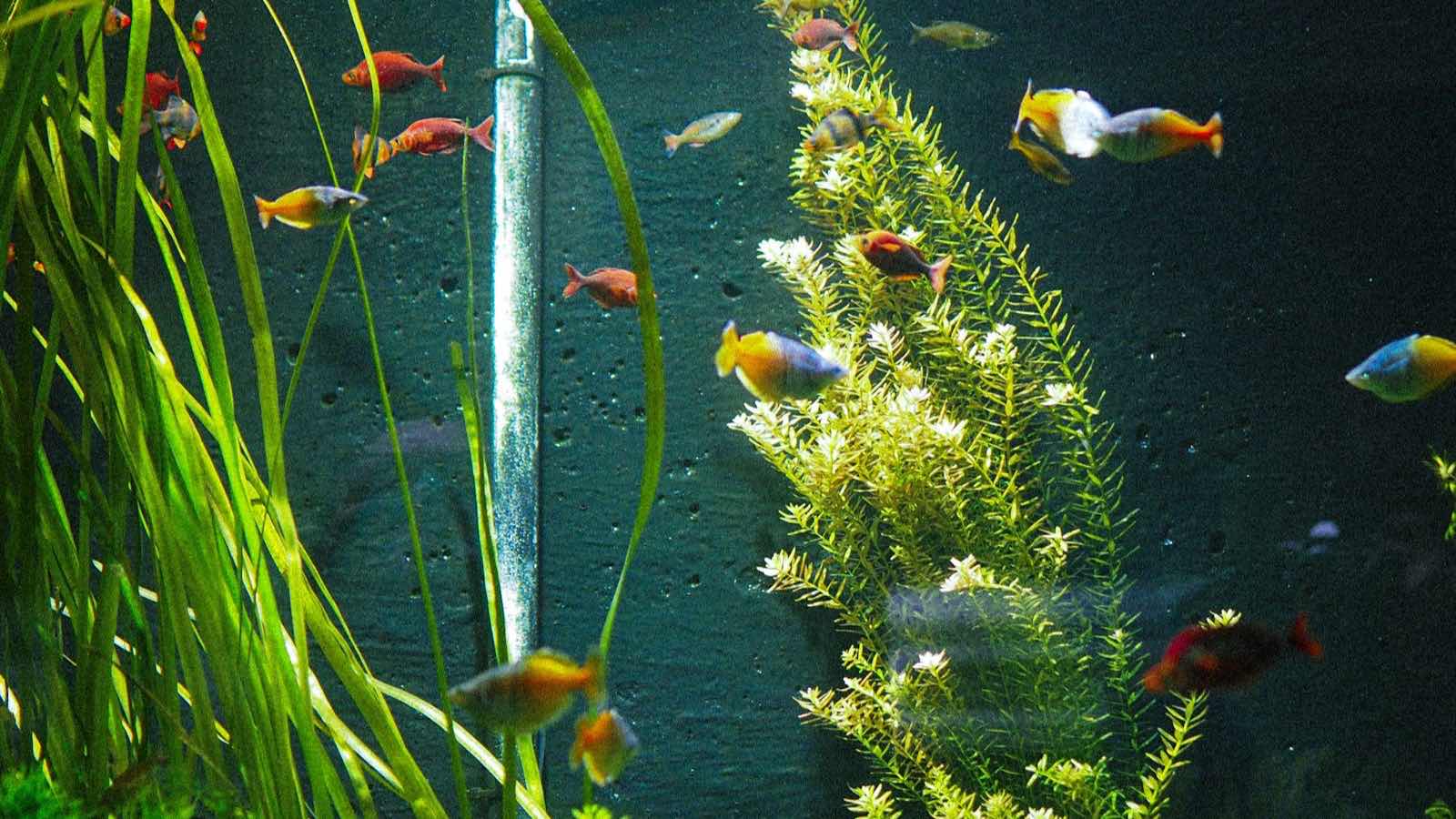
The ozone generator has a split reputation among marine aquarists: a miracle tool for crystal-clear water to some, a dangerous gadget for gills to others. Research on closed aquaculture systems gives a more nuanced picture than either caricature. Our equipment guidance is gathered in the fish accessories section.
What ozone actually removes from the water
Spiliotopoulou, Rojas-Tirado, Chhetri, Kaarsholm, Martin and Pedersen published in 2018, in Aquacultural Engineering, a study on ozonation control and its effects on water quality in a recirculating aquaculture system (see the study). Over eight days of monitoring, organic matter — measured by chemical oxygen demand and by fluorescence — dropped by 25% at a low ozone dose, 30% at a medium dose and up to 53% at a high dose, while water transmittance (optical clarity) improved by 15%. The authors also show that fluorescence can serve as a practical indicator for controlling ozone dosing in real time, instead of running blind.
The flip side, widely documented elsewhere in the recirculating-systems literature, is that these benefits come at a cost: beyond a certain threshold, residual ozone becomes toxic to fish and damages the biofilter. The equipment delivers a net benefit only when dosed and monitored, never left running at a fixed rate unsupervised.
What this means for a home marine tank
- An ozone generator is not a backup biofilter: it cuts organic load and clears the water, but it replaces neither the nitrogen cycle nor a working protein skimmer — see our guide on the protein skimmer for beginners, usually the first line to install before considering ozone.
- An ORP (redox) controller is not optional once an ozone generator is connected: it's the tool that cuts the supply before residual ozone turns dangerous, covered in our article on the ORP probe in a marine tank.
- An activated-carbon reactor on the outflow neutralises residual ozone before the water returns to the tank, a standard precaution in setups that use it regularly.
- Start at a low dose and increase gradually while watching water clarity, rather than aiming straight for the maximum result measured in a lab system with no fish to protect.
Frequently asked questions
Is ozone useful in freshwater tanks?
It's mainly used in marine aquariums and professional recirculating systems; the same dosing and redox-monitoring precautions would apply in freshwater, but the equipment is far less common among freshwater hobbyists.
Does an ozone generator replace water changes?
No. The study measures a drop in dissolved organic matter, not the removal of nitrates or the replenishment of depleted trace elements, which only a water change restores.
What's the first sign of a bad dose?
A sudden drop in behaviour or appetite in fish and invertebrates should raise an immediate alarm — it often precedes visible gill damage. Find all our guides on the fishkeeping hub.
This guide is part of Planète Pets’s Fishkeeping universe. Our advice is general in nature: for any health concern, your veterinarian remains the only reference.