Transporting a Guppy: bagging, acclimatisation, moving
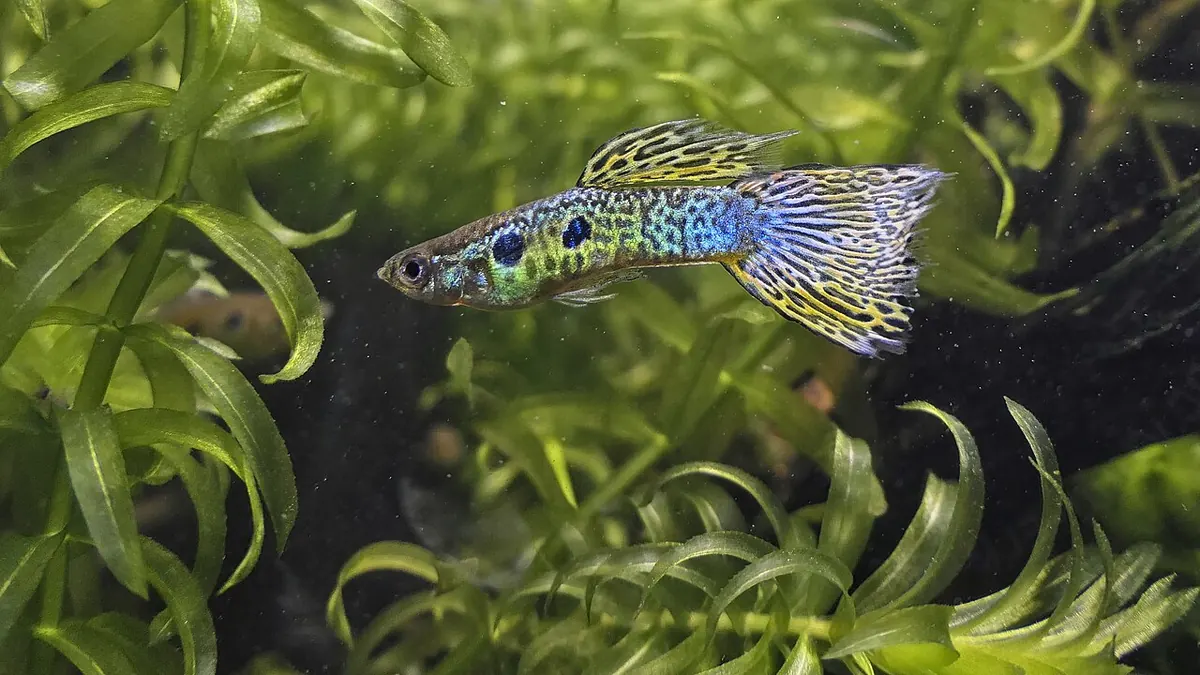

Guppy : Transport in bags in small groups, protected from the cold. Acclimate slowly, especially if the source water is harder than yours, mixing the waters over 30 minutes.
Our products don’t ship to you yet, but the PDF practical guide is instant: Beginner axolotl: aquarium and care (€19)
In short: 3 to 6 cm as an adult depending on sex, 60 L minimum for a group, water between 22 and 26 °C. Peaceful and sociable, yet males court relentlessly: keep two to three females per male to spread the pressure. An ultra-prolific livebearer in hard alkaline water: plan for overpopulation and avoid the very soft acidic water that weakens it.
Bringing home or moving a Guppy
The bagging rule: double thickness, one-third tank water to two-thirds air, kept dark in a cool box that protects from swings away from its 22 to 26°C comfort zone. Split the group of 6+ across several bags: less ammonia per bag, fewer losses if one fails.
Acclimatisation: the critical step
Start with 20 minutes of floating, bringing the bag water to tank temperature, then add tank water in small doses over 30 to 45 minutes, and release with a net without pouring bag water into the tank. In this species, a botched transfer is paid for in bouts of white spot disease in stressed fish. Lights off for the first day: a newcomer hazed under floodlights starts with a handicap.
Moving an entire aquarium
To move a Guppy tank: occupants in covered buckets, filter media kept damp in a cool box — those bacteria are the tank’s real treasure — plants bagged wet, and a same-evening restart with as much original water as possible. The tank itself travels EMPTY: glass stressed by a few leftover litres cracks at the first corner.
Frequently asked questions
How long can a Guppy handle transport?
A few hours easily in a proper bag, up to 24 hours in an oxygenated professional bag. Past two hours, protect the temperature above all.
How do you acclimatise a Guppy safely?
Float the bag 20 minutes, add tank water gradually over 30 to 60 minutes, release with a net, lights off the first day — and never pour bag water into the tank.
The guides that apply to you
- Fish transport: why the risk isn't the same depending on trip length
A scientific review finds two opposite risks depending on transport duration: a pH drop on a short trip, rising ammonia on a long one. The precautions that matter aren't the same either way.
- Should a Fish Be Sedated for Transport? What a Betta Study Shows
A betta study shows a low dose of clove oil reduces stress during prolonged transport.
- Heatwave and aquariums: how to cool the water without thermal shock
During a heatwave, aquarium water can top 30°C: a fan, pausing lighting and a bottle of ice cool the tank without a sudden, harmful thermal shock.
- Cold Shock in Transport: Winter's Underestimated Risk
A transport bag that cools quickly in a car or in the cold outdoors exposes a fish to cold shock. How to prevent it in winter.