Green anoles: keeping and breeding them in a terrarium
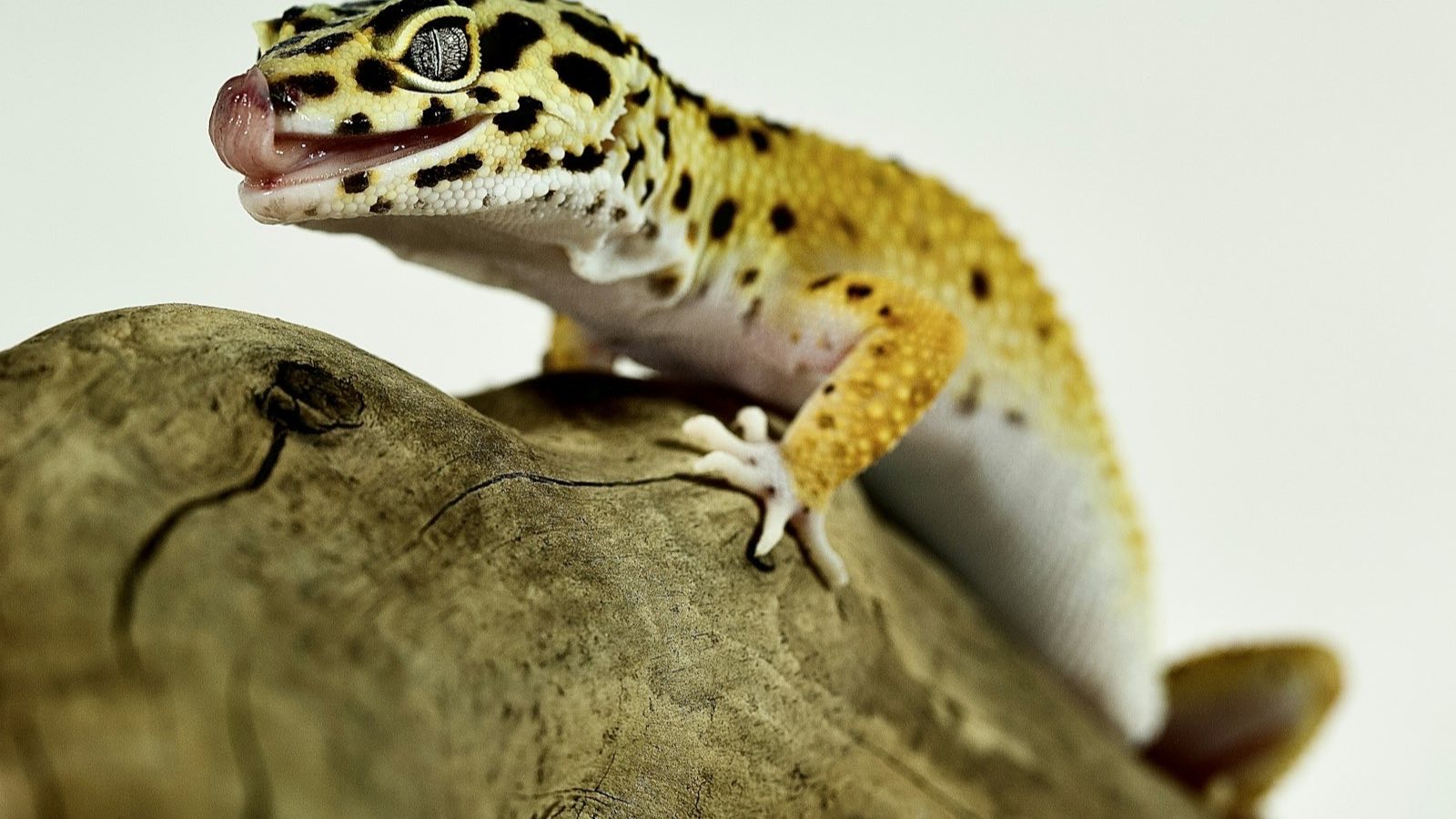
The green anole (Anolis carolinensis) is a small, arboreal, diurnal lizard, very active and popular as a species to observe. Well kept, it breeds readily in captivity and is happily housed in a small group. A landmark review by Lovern, Holmes, and Wade published in 2004 in the ILAR Journal describes the green anole as a reptilian model that is easily maintained, bred, and reared in the laboratory, and details its reproductive behaviour (study on Google Scholar). Our setup guides are gathered in the reptile bedding and habitat section.
What terrarium for a green anole?
It is a climber: the terrarium should be taller than it is wide, planted and fitted with thin branches to offer perches at different heights. Dense planting reassures the animal and holds the humidity it needs.
Heat, light, and humidity
- Warm spot: a thermal gradient with a basking spot lets the animal regulate its temperature.
- UVB: essential for this diurnal lizard to synthesise vitamin D3; see our guide on choosing a UVB lamp.
- Humidity: daily misting maintains the humidity and provides the droplets it likes to drink off the leaves.
Alone, in a pair, or in a group?
The green anole does well with one male to several females, as the presence of conspecifics stimulates natural behaviours. Two males, however, will fight: our guide on housing two reptiles together details the precautions to take.
Breeding conditions
Breeding occurs during the warm season. The female lays eggs one at a time, staggered over several weeks, often buried in a moist substrate. A diet of varied, well-supplemented insects supports laying, as detailed in our guide on feeding the green anole.
Frequently asked questions
Can a green anole be handled?
It is an animal to watch more than to hold: handling should stay rare and gentle to avoid stress and tail loss.
Why is my anole turning brown?
The species changes colour with temperature, light, and mood; persistent brown, however, can signal stress or poor conditions.
How many females per male?
Two to three females per male make a balanced group in a large enough, well-planted terrarium. Browse all our guides on the reptile hub.
This guide is part of Planète Pets’s Reptiles universe. Our advice is general in nature: for any health concern, your veterinarian remains the only reference.