UVB lamps for reptiles: UV index, percentage and lifespan explained
Published by Planète Pets · managing editor: Clément Lacaille · how our guides are written
UVB lighting is probably the most misunderstood accessory among beginner reptile keepers, even though it directly governs the bone health of many species. Without UVB, a bearded dragon or a tortoise cannot properly synthesise vitamin D3 and develops metabolic bone disease, which is sadly common and often irreversible. Planète Pets breaks down the criteria that actually matter.
Contents · 5 sections
What exactly is UVB for?
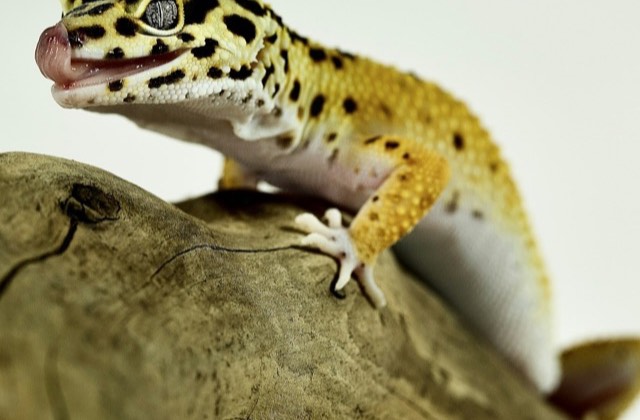
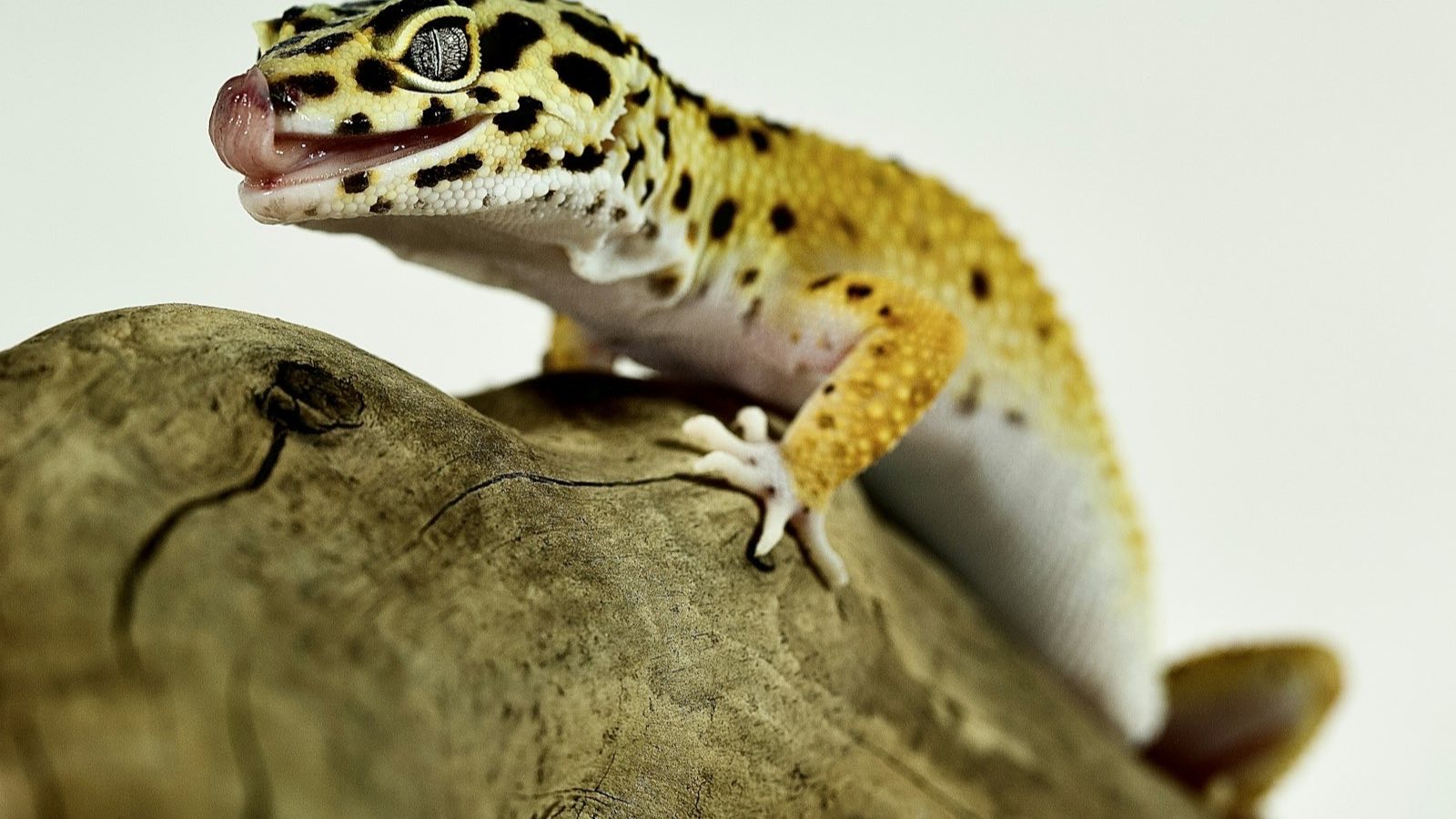
UVB rays enable the skin to synthesise vitamin D3, which is in turn essential for calcium absorption. Sun-loving (heliophilic) species such as the bearded dragon and the tortoise have a high requirement. The leopard gecko, being crepuscular, needs far less: gentle UVB is still beneficial, provided it always has shaded areas to retreat to. The corn snake can live without UVB if its dietary intake is adequate, although moderate lighting is increasingly recommended.
Making sense of percentages and the UV index
Manufacturers such as Exo Terra and Zoo Med state a UVB percentage: 5.0 (forest/moderate needs) or 10.0 (desert/high needs). More telling is the UV index (UVI) measured at the animal’s distance, which is the modern reference:
- Leopard gecko: target UVI of 0.5 to 1 in the exposure zone.
- Bearded dragon: UVI of 3 to 5 at the basking spot.
- Tortoise kept indoors: UVI of 3 to 5 as well.
The distance between the lamp and the animal, plus any mesh in between (which filters out 30 to 40% of UVB), greatly alters the UVI actually received. A solarmeter measures it precisely, but remains an enthusiast’s purchase (150 to 250 €).
T5 tube, compact bulb or mercury vapour lamp?
T5 HO fluorescent tubes are today’s best compromise: broad coverage, stable UVB output, reasonable price (25 to 45 € per tube, plus the fixture). Compact bulbs suit small enclosures but only cover a limited area. Mercury vapour lamps combine heat and UVB, which is convenient, but they cannot be regulated by a standard thermostat.
Lifespan: the trap of a lamp that still lights up
A UVB lamp keeps emitting visible light long after it has stopped producing useful UVB. Replace T5 tubes roughly every 12 months, and compacts every 6 to 12 months depending on the manufacturer. Write the installation date on the base with a marker: a simple habit that prevents months of pointless exposure. Factor this replacement into your annual budget, just like substrate or dietary supplements.
In practice
Position the UVB tube to create a gradient, on the warm side, for around 12 hours a day. Pair it with a good thermometer and hygrometer combo to manage the overall climate. All our lighting comparisons are in the reptile accessories category.
See it in the Planète Pets shop: Stick-on digital thermometer for aquarium and terrarium glass (€18.90) · the whole shop
This guide is part of Planète Pets’s Reptiles universe. Our advice is general in nature: for any health concern, your veterinarian remains the only reference.