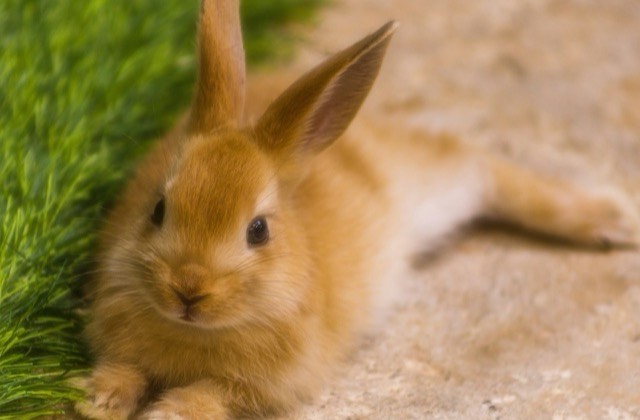
Sweater or coat for a rabbit in winter: useful accessory or dangerous idea?
Published by Planète Pets · managing editor: Clément Lacaille · how our guides are written
Every winter, small-pet clothing displays fill up with miniature sweaters and little capes, marketed as a sensible response to the cold. For rabbits, the idea comes from a good place but misreads the animal's physiology: it's neither necessary in most cases, nor risk-free. All our accessories are reviewed in the rabbit accessories section.
Contents · 5 sections
Does a rabbit actually need a garment to stay warm?
A study by Gilbert, McCafferty, Giroud, Ancel, and Blanc, published in 2012 in the journal PLoS ONE on thermoregulation mechanisms in rabbit kits, shows just how finely tuned this species' physiological mechanisms are for producing and conserving body heat, well before any outside equipment comes into play. In an adult, a double coat — short, dense underfur beneath longer guard hairs — provides natural insulation that's more than enough in most homes and properly wind-sheltered hutches.
Why can a sweater do more harm than good?
A garment flattens the coat and compresses the insulating layer of air a rabbit maintains itself through grooming, which can paradoxically reduce its fur's effectiveness. It also limits its ability to lick and groom normally, encourages hidden mats under the fabric, and can hide weight loss or a wound that then goes unnoticed for longer.
Are there situations where a garment makes sense?
- A rabbit recently shaved for a veterinary procedure, until the fur grows back.
- A very old or weakened animal, on a vet's advice only, for a short trip outdoors in the cold.
- Never as a permanent fixture or a substitute for a properly insulated shelter.
What actually protects against the cold?
A raised hutch, sheltered from the prevailing wind and packed with a thick, regularly refreshed layer of straw, protects far better than a garment, as detailed in our guide to an outdoor rabbit hutch in winter. A well-maintained coat, free of mats and bare patches, also keeps its insulating properties better, a point covered in our guide to rabbit grooming and brushing.
Frequently asked questions
Does an indoor rabbit risk getting cold in winter?
Rarely, unless the room is poorly heated or has a direct draught; a normal room temperature is more than enough for its comfort.
Are little socks to protect the paws a good idea?
No, they interfere with the paws' natural grip and can slip off or get chewed, with a risk of fabric ingestion.
How can I tell if my rabbit is actually cold?
A rabbit curled into a tight ball, ears pinned back and inactive, signals a thermal discomfort that should first be fixed through housing, not clothing. Browse all our guides on the rabbit hub.
In our shop, for this use: Hanging chew garland for rabbits and rodents (€17.90) · the whole shop
This guide is part of Planète Pets’s Rabbits universe. Our advice is general in nature: for any health concern, your veterinarian remains the only reference.