Left home alone: what a study on time apart changes about the resting spot
Published by Planète Pets · managing editor: Clément Lacaille · how our guides are written
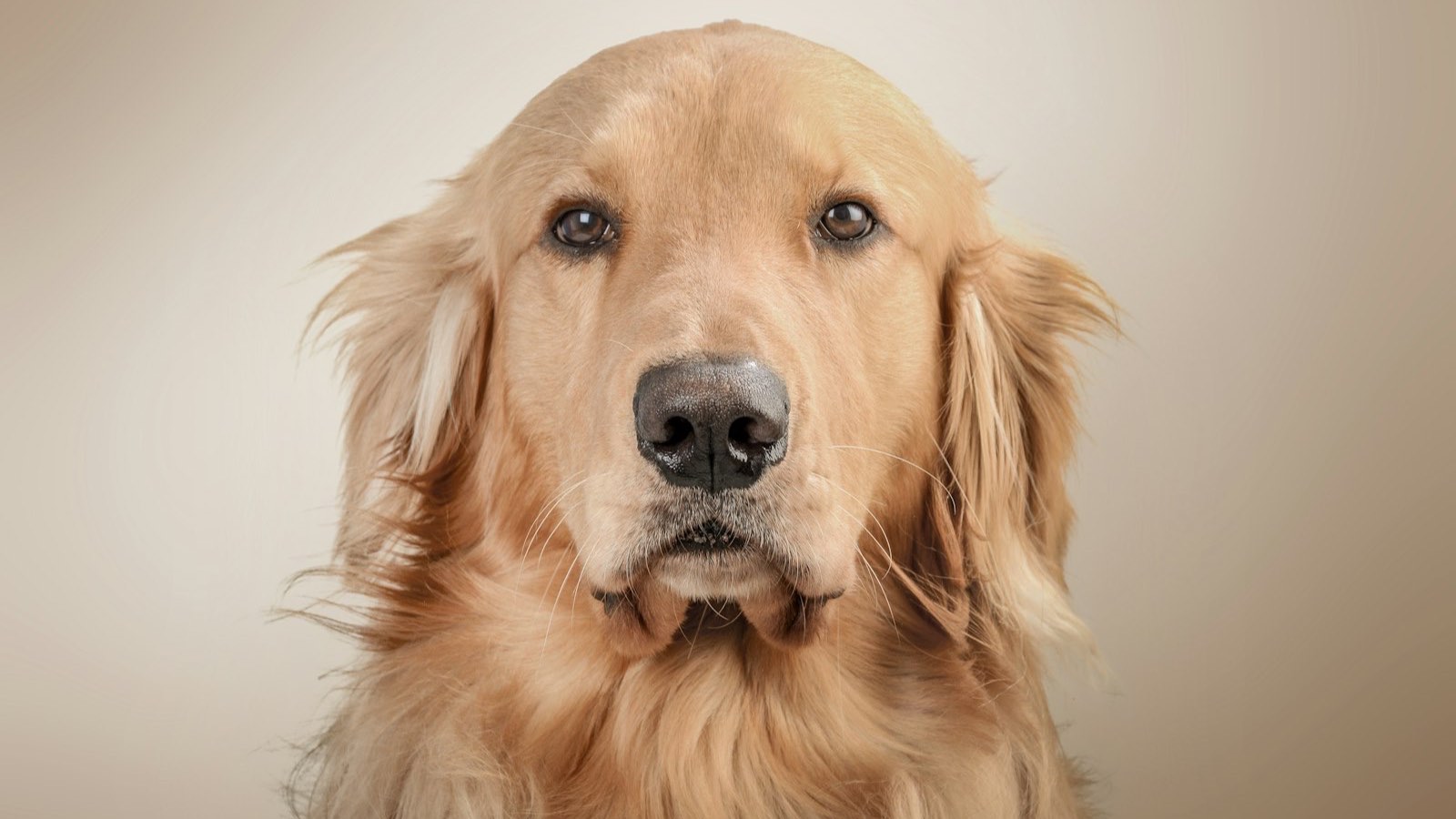
Most advice about being away from a dog focuses on how long is too long, or which toys to leave out. A study in animal behavior looked at something quieter: what actually happens physiologically to a dog during those alone hours, and what that implies for where it spends them. Our setup guidance is gathered in the dog bedding and habitat section.
What a study measured in dogs left to themselves
Therese Rehn and Linda Keeling published a study in 2011, in Applied Animal Behaviour Science, on the effect of time left alone at home on dog welfare (see the study). Comparing shorter and longer absences in the same dogs, fitted with heart rate monitors and filmed throughout, the authors found that activity and rest don't follow a simple curve: time spent lying down doesn't automatically mean a relaxed dog, and the greeting after a longer absence was more intense — an indirect sign of emotional load building up during separation.
The study doesn't claim a dog left alone longer rests badly everywhere in the same way: it points instead to the spot where it waits, not just the hours on the clock.
What this changes about the resting spot
- Fix a stable spot before leaving, rather than letting the dog wander from room to room: a recognizable, familiar bed limits restless pacing tied to waiting.
- Insulate it from cold or slippery flooring — tile, laminate — with thick enough bedding; a dog that avoids lying down comfortably moves more without actually resting.
- Leave a recently worn piece of clothing nearby, or another item carrying the household's scent, a simple cue documented in several works on separation-related distress — see our guide to dog separation anxiety.
- Never turn a crate into a last-minute lockup on the day an absence gets longer: gradual habituation comes first, as detailed in our guide to crate training a puppy.
Frequently asked questions
How long can a dog be left alone?
The study sets no universal threshold: it compares shorter and longer periods in the same animals and documents a difference in emotional load, not a number that fits every dog. Age, health and individual habituation matter at least as much as the clock.
Is a good resting spot enough to prevent separation anxiety?
No: better setup reduces friction during the absence, it doesn't treat established separation anxiety, which still calls for behavioral, possibly veterinary, support.
What are this study's limits?
It covers a small number of dogs followed in Sweden under specific experimental conditions; generalizing to every breed and every home should be done cautiously. Find all our guides on the dog hub.
This guide is part of Planète Pets’s Dogs universe. Our advice is general in nature: for any health concern, your veterinarian remains the only reference.