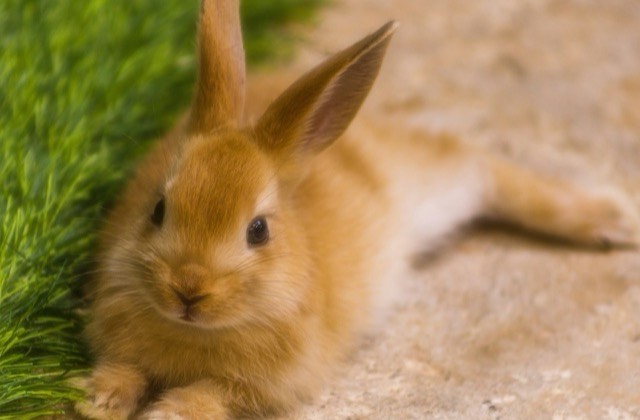
Rabbit Harnesses: Should You Take Your Rabbit Outdoors, and How?
Published by Planète Pets · managing editor: Clément Lacaille · how our guides are written
Videos of rabbits “on a lead” are everywhere, but the question deserves a serious answer: is a harness right for a rabbit? The answer is nuanced. A rabbit doesn’t walk like a dog: it explores at its own pace, with the harness serving purely as an anti-escape safety line. Some individuals accept it well, others never do — and you must not push a panicked animal.
Contents · 5 sections
Which type of harness should you choose?
- A padded H-harness or vest-style harness: it spreads the pressure across the body. It’s the only acceptable format, generally between 8 and 20 €.
- Never a collar: a rabbit’s neck and spine are fragile, and one jolt can cause a serious injury.
- A light 1.5 to 2 m lead, supple, with no retractable mechanism that snaps back.
The harness must fit snugly: one finger underneath, no more. Rabbits are escape artists — a loose harness comes off in two seconds.
Habituation: weeks, not minutes
Work in stages, indoors first:
- place the harness near the animal and reward any approach;
- have it worn for a few minutes without a lead, gradually increasing;
- add the lead — first trailing, then held — still inside the house;
- move to a quiet, enclosed garden only once everything is solid.
A rabbit that freezes, pants or struggles furiously is telling you to stop: respect that. Enrichment can come through other channels, such as toys and chew items or a good free-roaming indoor space.
The right reflexes during the outing
A successful harness outing looks more like an observation session than a walk: the rabbit grazes, stops, listens, moves on. Never pull on the lead to steer it; simply follow and gently block access to risky areas. Keep an open travel carrier nearby: if something frightens it (a dog, a sudden noise), the carrier offers instant refuge and spares you chasing a panicked animal. Short, regular outings (15 to 30 minutes) beat one long expedition.
Health precautions outdoors
Grass is a pleasure, but the outdoors carries real risks: pesticide-treated grass, toxic plants, parasites and, above all, serious viral diseases (myxomatosis, rabbit haemorrhagic disease) spread in particular by biting insects. Discuss vaccination with your exotic vet before any regular outings, choose areas not frequented by other animals and avoid the hottest hours. Keep your distance from dogs, even on leads.
The alternative: a secure outdoor pen
For many households, a wire-mesh garden pen with a roof and shade (40 to 120 € depending on size) is the best compromise: the rabbit grazes freely with no harness and no tension. Our harness and pen comparisons are available in the travel and safety section of Planète Pets.
An accessory from our shop for this use: Bubble-window carrier backpack for dwarf rabbit, guinea pig or ferret (€47.90) · the whole shop
This guide is part of Planète Pets’s Rabbits universe. Our advice is general in nature: for any health concern, your veterinarian remains the only reference.