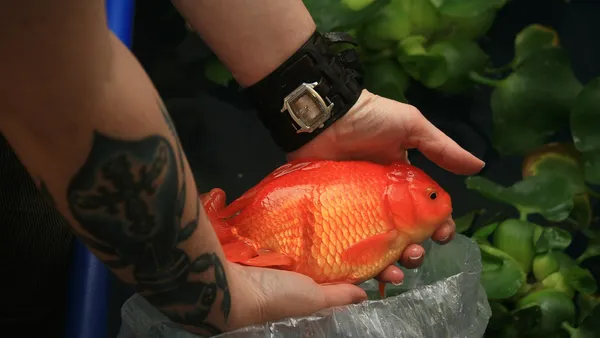
Goldfish in a bowl: why it only seems like a good idea
Published by Planète Pets · managing editor: Clément Lacaille · how our guides are written
The bowl is the worst possible habitat for a goldfish: without filtration or oxygenation, in 5 to 10 litres, an animal built to reach 20 to 30 cm and live 20 years dies within months of chronic poisoning. The real minimum: 50 filtered litres per fish, plus companions, because it is a social species. Several countries have in fact banned the sale of bowls.
Contents · 5 sections
Why does the bowl doom the goldfish?
Three unforgiving reasons. Volume: a goldfish produces enormous amounts of waste; in 8 unfiltered litres, ammonia reaches toxic levels within 48 hours. Oxygen: the gas-exchange surface of a narrow-necked bowl is derisory, hence those fish gasping non-stop. Adult size: a goldfish does not adapt to its container, it is stunted by it — growth halted, organs compressed, life expectancy divided by ten.
What does a happy goldfish really need?
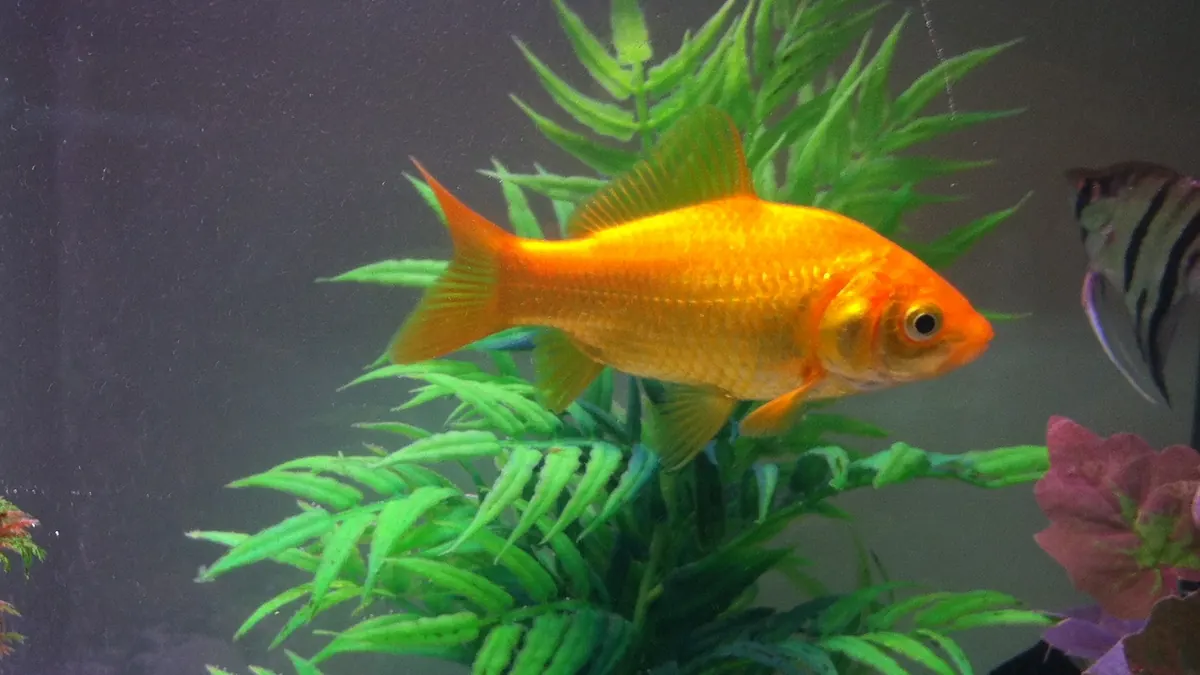
- Volume: 100 litres for two fish, then 30 to 50 litres per additional individual.
- Robust filtration: a flow rate of 3 times the volume per hour — it is a heavy polluter.
- Company: at least two or three companions.
- No heater: it is a coldwater fish; 18 to 22 °C suits it fine.
- A realistic budget: 150 to 250 € for a suitable tank, detailed in our complete 120-litre budget.
What alternatives if you don’t have the space?
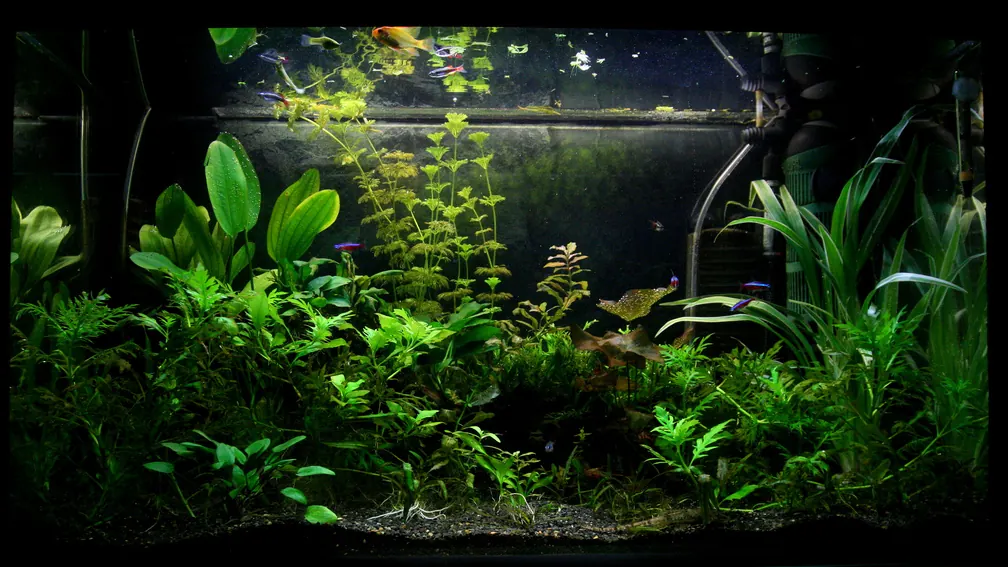
Two honest options: give up on the goldfish in favour of small-volume species (a betta in 25 filtered, heated litres; shrimp in a nano), or aim for a garden pond, the ideal habitat where the goldfish expresses its full potential. Choosing the right container is covered in our tanks and habitats category, and the stocking question in how many fish in an aquarium.
What to do with a goldfish already in a bowl?
Act in stages: change 50 % of the water every two days while you organise better, then set up a tank of 100 litres or more (60 to 120 € second-hand). The change in behaviour is spectacular within weeks: an active, curious fish that recognises the person who feeds it.
Frequently asked questions
My goldfish has lived in a bowl for two years and seems fine, no?
It is surviving: measured against its 20-year life expectancy and 25 cm potential, a 6 cm fish after two years is an animal with blocked growth, not a healthy one.
Does a filtered 20-litre bowl change the picture?
For a goldfish, no — the volume is still ten times too small. For shrimp or a betta, a proper filtered nano is, however, a real option.
Why are bowls still sold?
Commercial habit; several chains have given them up and countries such as Germany effectively ban them through their animal-welfare rules.
This guide is part of Planète Pets’s Fishkeeping universe. Our advice is general in nature: for any health concern, your veterinarian remains the only reference.