Cat harness: getting your first walks on a lead right
Published by Planète Pets · managing editor: Clément Lacaille · how our guides are written
A cat harness is the only safe equipment for walking a cat on a lead: unlike a collar, it spreads the tension across the chest and stops the animal from slipping free. An adjustable "escape-proof" vest model costs 15 to 35 €; a lighter classic H-style harness starts at 10 €. Gradual indoor training remains the key to successful outings.

Contents · 4 sections
H-style harness or vest harness: which should you choose?
The H-style harness, made of thin straps, suits calm cats and hot weather, but a supple cat can wriggle out of it by backing up. The vest harness wraps the torso in breathable fabric with two adjustment points: it is the recommended choice for beginners and for nervous cats. Check that two fingers fit between the harness and the body — no more.
What makes a good cat harness?
- Escape-proof design: double adjustment at neck and chest.
- Light, breathable fabric with reflective trim for evening walks.
- Lead attachment on the back, never at the neck.
- Quiet clip fastenings rather than noisy velcro.
- Size measured around the chest girth (behind the front legs).
- A supple lead of 1.5 to 3 m; avoid retractable leads at first.
How do you get a cat used to a harness?
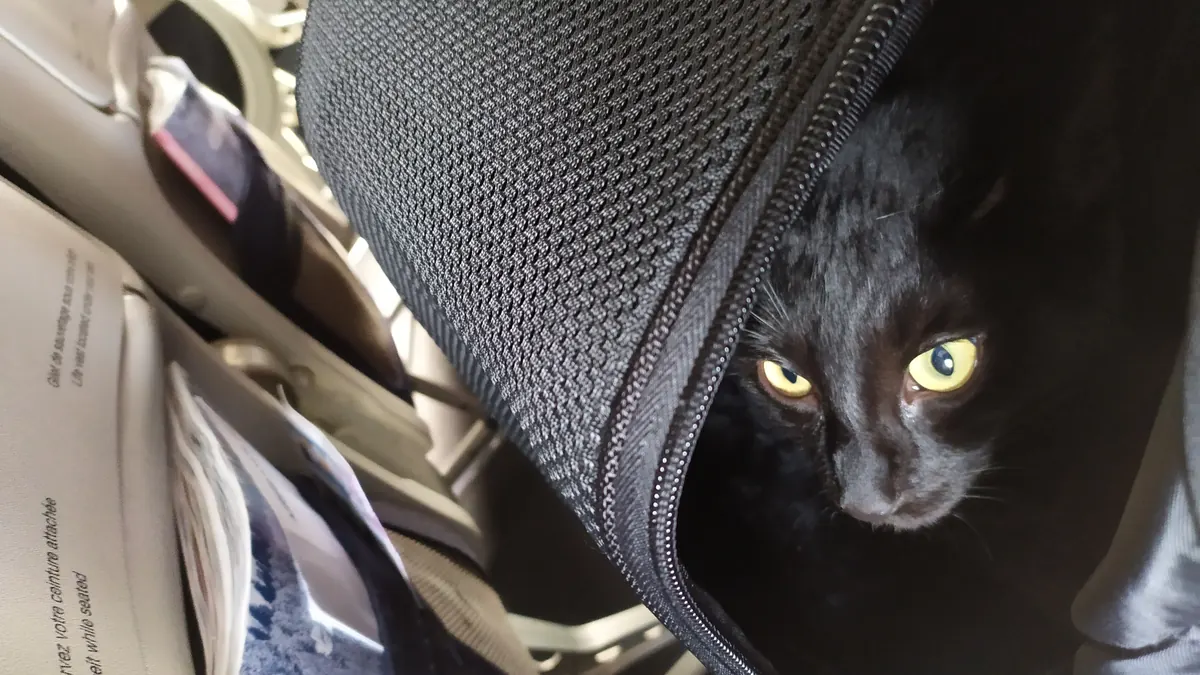
First leave the harness lying near the sleeping spot, then have your cat wear it 5 minutes a day indoors with treats, lengthening the sessions over two weeks. Then move on to the garden or a quiet spot: the cat explores, you follow. A cat that freezes or crawls is not ready — go back a step. For journeys to the walking spot, use a cat carrier, and if your cat goes out regularly, consider a GPS tracker. In a flat, a cat-proofed balcony offers a daily alternative. Compare the models in our travel and safety section.
Frequently asked questions
Do all cats accept a harness?
No: some cats remain stressed outdoors despite patient training. Do not force it — indoor enrichment can be enough for their wellbeing.
At what age should harness outings start?
Ideally between 3 and 6 months, once vaccinations are up to date — check with your vet first.
Can I tether my cat in the garden with its harness?
Never unsupervised: a tethered cat can injure itself in a panic or be left defenceless against another animal.
This guide is part of Planète Pets’s Cats universe. Our advice is general in nature: for any health concern, your veterinarian remains the only reference.