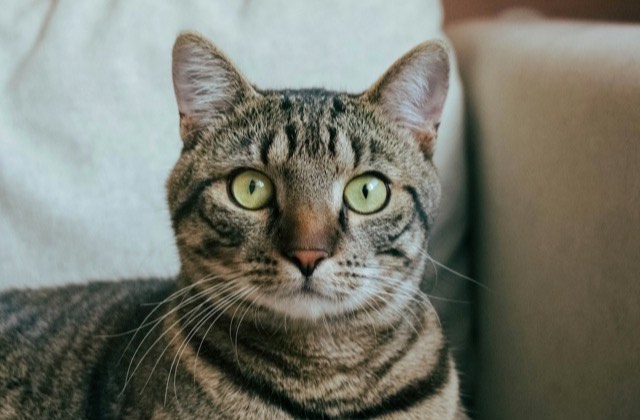
Cat brushes: how to stop finding hair all over the house
Published by Planète Pets · managing editor: Clément Lacaille · how our guides are written
Hair on the sofa, on your jumpers, even in your coffee cup: every cat owner knows the story. Regular brushing is the only truly effective strategy, provided you use the right tool for the right coat and turn it into a pleasant moment rather than a struggle. Here is a quick tour of the brushes and the method that goes with them.
Contents · 4 sections
Why brush, beyond the hair on the sofa
A cat grooms itself for several hours a day and swallows a considerable amount of dead hair in the process, the source of those famous regurgitated hairballs. Brushing removes that hair before it is ingested, stimulates the skin, lets you spot fleas, lumps or wounds early, and strengthens your bond with the animal. During moulting season, in spring and autumn, it becomes all but essential.
Which tool for which coat?
- Short hair: a rubber brush or a grooming glove (5 to 15 €) is enough; cats that hate the brush often accept the glove, experienced as a stroke.
- Medium-long hair: a slicker brush with fine, flexible pins (8 to 20 €) detangles and lifts out the undercoat without harshness.
- Long hair (Persian, Maine Coon…): combine a metal comb with wide then fine teeth (5 to 15 €) and a slicker, paying special attention to the armpits, behind the ears and the britches, all knot-prone areas.
- De-shedding tools (15 to 35 €, popularised by FURminator): very effective on the undercoat, to be used sparingly so as not to irritate the skin.
The right method and the right frequency
Brush in the direction of the coat, in short sessions of two to five minutes, starting with the areas your cat enjoys (cheeks, base of the tail) before sensitive zones like the belly. Once or twice a week is enough for a short coat outside moulting season; a long coat calls for a daily pass. Always finish with a treat to anchor a positive association. If you find tight mats or patches of irritated skin, do not pull: a groomer or a vet can deal with them painlessly. Abnormal hair loss, whether localised or accompanied by itching, warrants a consultation, as it is sometimes linked to parasites: see our guide to parasite treatments for cats.
Keeping hair down around the house
- Complement brushing with cat grass for nibbling, which helps eliminate swallowed hair.
- Choose removable, washable covers for beds and sleeping spots.
- A lint roller and a vacuum cleaner with a pet-hair attachment take care of the rest.
With the right kit, brushing goes from chore to bonding ritual. To compare the brushes, gloves and de-shedding tools on the market, browse the cat accessories section of Planète Pets.
An accessory from our shop for this use: Stainless-steel pin brush for cats (€18.90) · the whole shop
For your cat, at Le Félin (same family, zero commission): Maison pour chat intérieur (from €29.99)
This guide is part of Planète Pets’s Cats universe. Our advice is general in nature: for any health concern, your veterinarian remains the only reference.